Skip to content
HumanBodyPartsAnatomy
  • Blogs
  • Anatomy
    • Head, Face & Senses
    • Brain & Nervous System
    • Spine & Back
    • Organs
    • Upper Limb
    • Lower Limb
  • Pain Management
  • Diagnostic Testing
  • Contact Us

Ian W

Ian Whitmore is an internationally recognized anatomy expert and educator associated with Stanford Medicine. With extensive experience in clinical and surgical anatomy, he has contributed significantly to medical education, neuroanatomy, and pelvic anatomy research. Known for his academic excellence and innovative teaching methods, Dr. Whitmore has helped train generations of medical students, surgeons, and healthcare professionals through advanced anatomy programs and research-driven education.

Biceps Brachii Anatomy: Parts of the Bicep, Structure, Functions & Diagram
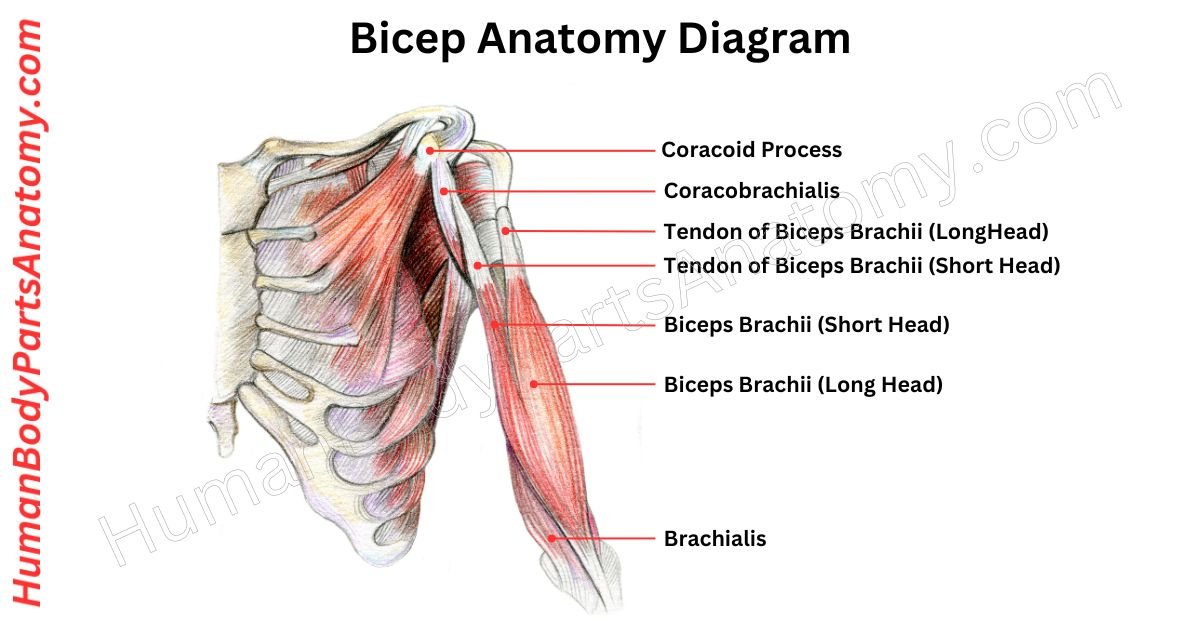
Detailed diagram of the bicep anatomy showing its parts, origin, insertion, functions, and relation to the upper arm.

Overview of Biceps Anatomy The biceps brachii — commonly referred to as the “biceps” — is a large, thick, fusiform muscle on the ventral (anterior) surface of the upper arm.[1] It consists of two proximal heads: the short head (caput breve) and the long head (caput longum).[1] The short head originates at the coracoid process … Read more
Categories Upper Limb

Arm Anatomy: Parts of Arm, Bones, Muscles & Joints with Functions & Diagram

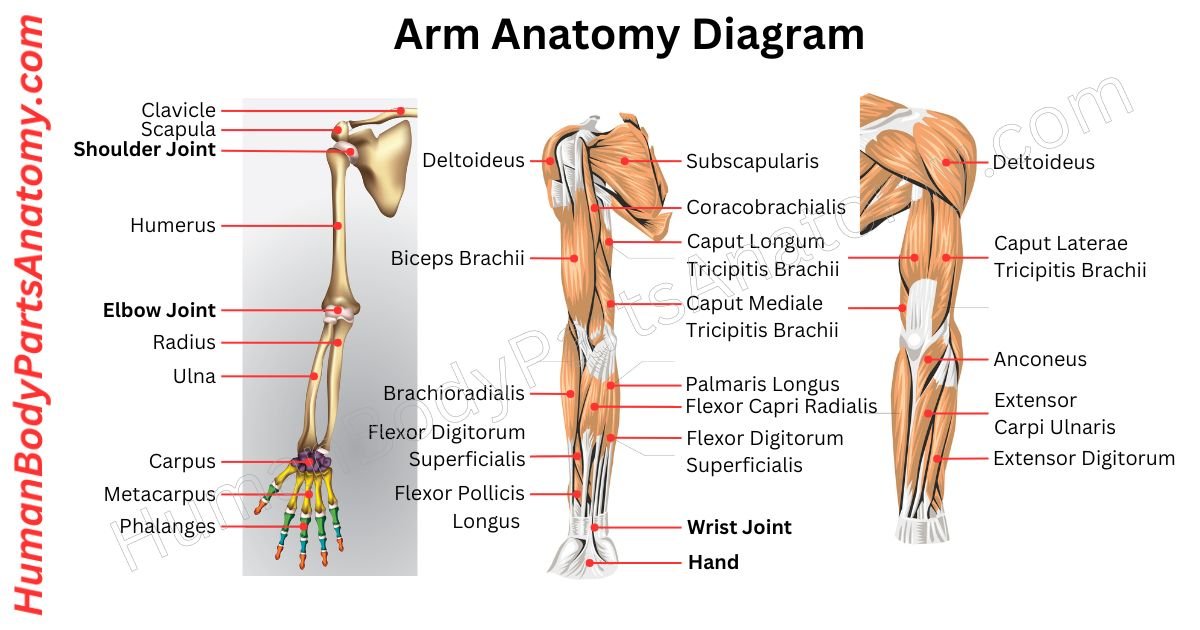
Detailed arm anatomy diagram showing upper arm, forearm, shoulder, elbow, wrist, bones, muscles, and joints with labeled parts and functions.

Overview of Arm Anatomy The upper extremity, or arm, is a vital part of the human body that enables us to lift, hold, and move objects.[1] The human arm anatomy consists of three main parts: the upper arm, forearm, and hand. It stretches from the shoulder to the fingers and includes 30 bones in the … Read more

Categories Upper Limb

Nail Anatomy: Parts of the Nail, Plate, Bed, Matrix, Lunula & Structure

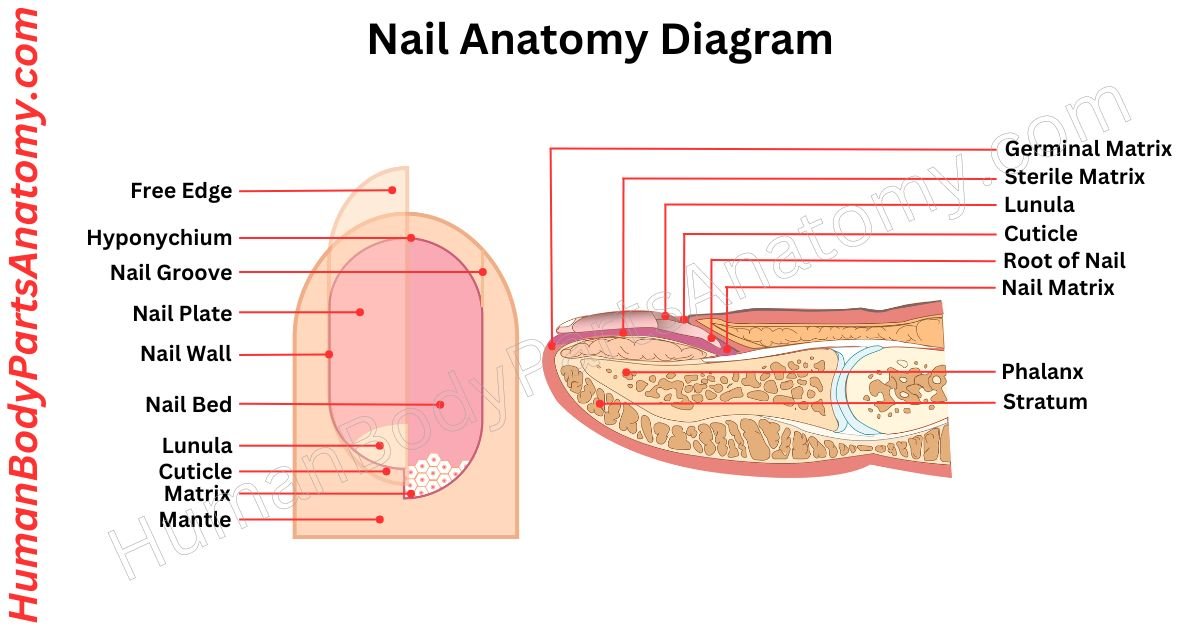
Nail Anatomy, Parts, Names & Diagram

Overview of Nail Anatomy Nails are flat, protective structures found at the tips of the fingers and toes and are a defining feature of most primates. [2] They are composed of keratin — a tough, flexible protein that also constitutes hair and the outer skin layer, which enables nails to grow continuously and withstand daily … Read more

Categories Upper Limb
Newer posts
← Previous Page1 … Page4 Page5

Recent Posts

  • 15 Effective Home Remedies for Knee Pain with Pictures That Actually Work
  • 13 Best Exercises for Knee Pain: Step-by-Step Guide with Images
  • RICE Method For Injuries – Rest, Ice, Compression & Elevation
  • PET Scan vs CT Scan: What’s the Difference and Which One Do You Need?
  • CT Scan vs. MRI Scan: Key Differences, Uses, and Which One You Need

Categories

  • Anatomy
  • Diagnostic Testing
  • Pain Management

Menu

  • About Us
  • Contact Us
  • Terms & Conditions
  • Disclaimer
  • Privacy Policy
  • Editorial Policy & Content Standards
© 2026 HumanBodyPartsAnatomy