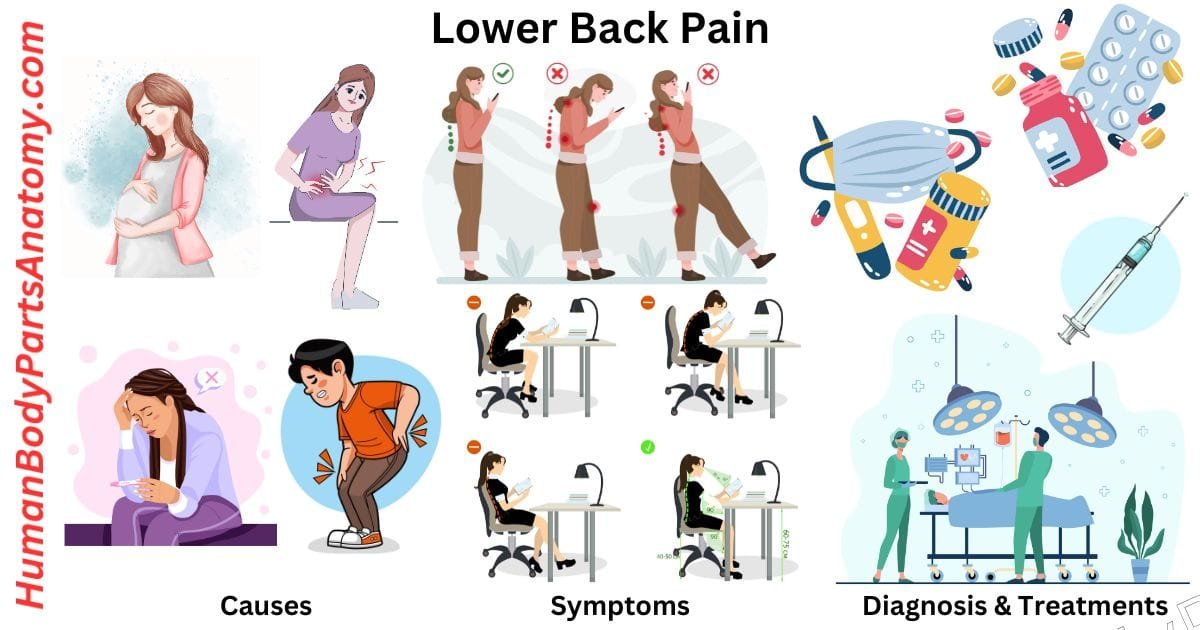
📅 Published on October 3, 2025 | 🕒 Last updated on March 5, 2026
Do you suffer from lower back pain or lumbago? You’re not alone. Lower back pain is a common issue that can affect anyone, regardless of age, lifestyle, or past injuries.[1] It often develops without warning and is not always linked to a specific cause or risk factor.[2] In many cases, the pain is not serious and may improve on its own with time and self-care.[1][2] However, sometimes it is your body’s way of signaling that something needs attention and a clinician should be consulted.[11]
Key Facts about Lower Back Pain
- In 2020, approximately 619 million people worldwide suffered from lower back pain (LBP). By 2050, this number is projected to rise to 843 million, primarily due to population growth and aging.[3]
- Low back pain is the leading cause of years lived with disability globally, and is the condition from which the greatest number of people can benefit from proper treatment and rehabilitation.[3][4]
- Anyone can experience lower back pain at any age, and most people will face it at least once in their lifetime.[4][8]
- Low back pain is especially common in people over 45 years old, with the highest prevalence between ages 50 and 55. Women are generally more affected than men across most age groups.[4][3]
- Emerging research indicates that approximately 25% of chronic lower back pain cases with Modic Type 1 changes on MRI may be associated with chronic disc space infection. A novel intradiscal antibiotic formulation, PP353 (intradiscal linezolid), demonstrated statistically significant pain reduction in a Phase 1b randomized, double-blind, placebo-controlled trial announced in March 2025, with a 50% within-group reduction in pain from baseline at 12 months.[5][6]
- A 2025 study from the University of Oxford, published in The Lancet Child & Adolescent Health, found that adolescents who experience moderate-to-severe menstrual pain (dysmenorrhoea) face a significantly elevated risk of developing chronic pain in adulthood, including back pain, headaches, and joint pain. Participants with severe period pain at age 15 had a 76% higher relative risk of chronic pain by age 26, highlighting how early pain experiences may shape long-term pain sensitivity.[7]
What is Lower Back Pain?
Lower back pain, or lumbago, is a common condition that affects the muscles, bones, and nerves in the lower back — the area between the bottom of the ribs and the top of the buttocks.[4] It can occur at any age and impacts millions of people in the U.S. and around the world. The pain can feel like a dull, constant ache or a sudden sharp sensation, making it hard to move or perform daily tasks.[1][2]
Classification by Duration
Low back pain is most commonly classified by how long it lasts:[8][9][19]
- Acute pain lasts less than 6 weeks.[8][9][19]
- Subacute pain lasts between 6 and 12 weeks.[8][9][19]
- Chronic (persistent) pain lasts more than 12 weeks.[8][9][19]
Classification by Cause
Low back pain can also be grouped by its underlying mechanism:
- Mechanical pain results from muscle strain, ligament sprain, or structural spine problems.[10]
- Non-mechanical pain is related to infections, inflammation, tumors, or systemic disease.[10]
- Referred pain is perceived in the back but originates from another organ or region of the body.[10]
Specific vs. Non-Specific Low Back Pain
- Non-specific — when no definite pathoanatomical cause can be identified; this accounts for approximately 90% of all cases in primary care.[4][8][9]
- Specific — when a clear cause can be identified, such as a fracture, herniated disc, infection, or systemic disease.[9][10]
Low back pain can affect more than just physical health. It may interfere with work, reduce participation in social activities, and contribute to stress, anxiety, or depression.[2][4]
Rehabilitation is essential for all types and stages of low back pain. It helps individuals understand and manage their pain, stay active, return to valued activities, and develop strategies to support long-term recovery and function.[4]
In some cases, specialized care pathways may be needed to address specific causes and provide targeted treatment.

Lower Back Pain Symptoms
Lower back pain can manifest in various ways and affect individuals differently.[1][2] The most common signs and symptoms include:
- Sudden or gradual onset: The discomfort may begin abruptly after an activity or develop slowly over time. A “pop” sound or sensation at the time of injury may occur.[1]
- Character of pain: It can feel sharp, stabbing, dull, or aching. The intensity may fluctuate or remain constant.[1][2]
- Radiating pain (sciatica): Pain may travel into the buttocks, hips, or down one or both legs if a spinal nerve root is compressed or irritated.[11]
- Position-dependent pain: Bending, lifting, twisting, or prolonged sitting may worsen the pain; lying down or changing position may provide relief.[1]
Other Symptoms You May Notice
- Stiffness: Difficulty straightening the back or moving freely, especially first thing in the morning or after sitting for a prolonged period.[1][2]
- Postural changes: The pain may cause involuntary listing to one side or loss of the normal lumbar lordotic curve.[1]
- Muscle spasms: Sudden, involuntary tightening of back muscles following injury or strain, which can be severely painful and limiting.[1][2]
When to See a Doctor
Mild lower back pain often resolves with rest, gentle movement, and over-the-counter pain relief.[2] Seek medical evaluation promptly if any of the following are present:
- Pain is severe, rapidly worsening, or does not improve after several weeks of conservative care.[11]
- The pain significantly limits normal daily activities.[2][11]
- Numbness, tingling, or weakness in one or both legs is present.[11]
- The pain is accompanied by fever, unexplained weight loss, or loss of bladder or bowel control (these may signal serious pathology requiring urgent evaluation).[11]
What are the Causes of Lower Back Pain
Lower back pain is one of the most frequent reasons people seek medical care worldwide.[3][4] The lumbar spine — the five vertebrae forming the lower back — performs critical structural and mechanical roles:
- Supports the majority of upper body weight.[10]
- Provides stability and mobility for the entire spine.[10]
- Serves as attachment points for the muscles, tendons, and ligaments that enable sitting, walking, running, lifting, and twisting.[10]
- Acts as the structural center of the body’s balance and movement.[10]
Because the lower back performs so many critical functions, even minor disruptions to its bones, muscles, discs, or joints can produce significant pain.[10]
Most common causes of lower back pain:
1. Muscle Strains and Ligament Sprains
Muscle strains and ligament sprains are the most common cause of acute low back pain, typically resulting from lifting a heavy object, bending or twisting awkwardly, or a sudden traumatic movement. Even vigorous sneezing or coughing can occasionally trigger a strain.[1][2]
Typical symptoms include localized soreness, stiffness, and restricted range of motion in the lumbar region.[1]
2. Spinal Fractures
Trauma such as a fall, road traffic collision, or sports injury can cause fractures in the lumbar vertebrae. Osteoporosis substantially increases fracture risk by reducing bone mineral density, particularly in older adults.[10]
A stress fracture called spondylolysis, caused by repetitive loading of the posterior vertebral elements, is commonly seen in young athletes such as gymnasts, rowers, and football linemen.[10]
3. Disc Problems
Intervertebral discs serve as hydraulic shock absorbers between adjacent vertebrae, distributing compressive loads across the spinal column.[10] With aging or acute injury, discs can:
- Herniate (prolapse or “slip”), with displaced disc material compressing adjacent nerve roots and producing radicular pain.[2][10]
- Undergo degenerative disc disease, in which progressive loss of disc height and hydration reduces cushioning capacity and may cause chronic pain.[2][10]
4. Structural Conditions of the Spine
A number of structural spinal conditions alter normal spinal alignment and mechanics, predisposing individuals to chronic or recurrent low back pain:[10]
- Spinal stenosis: Narrowing of the spinal canal that compresses the spinal cord or nerve roots, often producing pain, numbness, or weakness in the legs that worsens with walking or standing.[2][10]
- Spondylolisthesis: Anterior slippage of one vertebra over the one below it, which may impinge on nerve roots.[10]
- Scoliosis: Lateral curvature of the spine that may produce asymmetric loading, muscle imbalance, and chronic pain.[10]
5. Spinal Arthritis
Arthritis of the lumbar spine is a major contributor to chronic low back pain, particularly in older adults. Osteoarthritis of the lumbar facet joints leads to cartilage degradation, joint stiffness, and reduced flexibility.[2][10]
Ankylosing spondylitis, a seronegative inflammatory arthritis primarily affecting the sacroiliac joints and spine, causes progressive stiffness, pain, and in severe cases fusion of the vertebral column.[12]
6. Systemic Diseases and Other Health Conditions
Low back pain can be a presenting feature of serious systemic disease and non-musculoskeletal conditions:[10]
- Spinal tumors (primary or metastatic) or vertebral osteomyelitis (infection).[10]
- Kidney stones or urinary tract infections, which can cause referred flank and back pain.[10]
- Abdominal aortic aneurysm, which may present with deep lumbar or flank pain and requires urgent evaluation.[10]
- Fibromyalgia, a chronic widespread pain syndrome that frequently involves the lower back.[13]
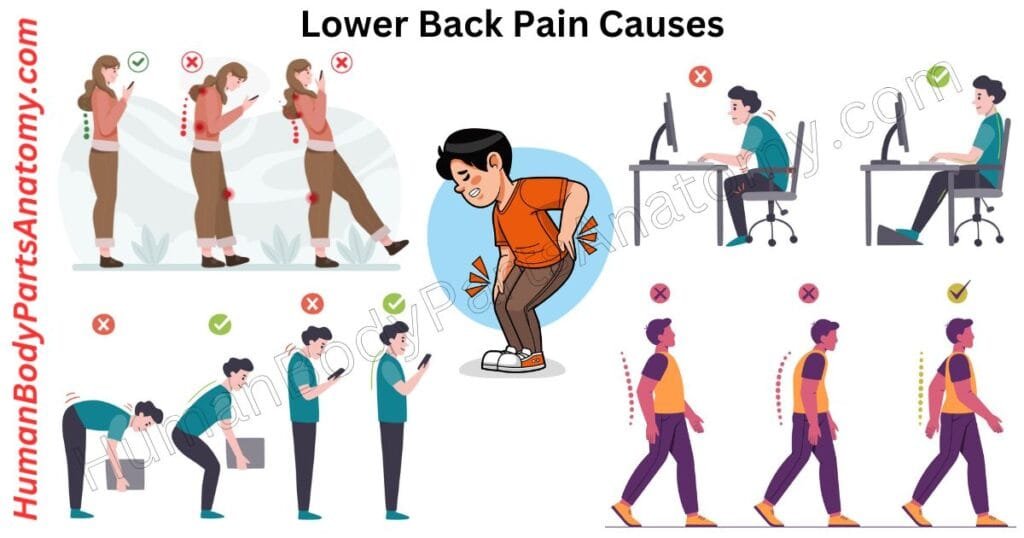
Read More – Lower Back Pain Causes & Symptoms: Common Reasons & Risk Factors
How to Diagnose Lower Back Pain
Diagnosis begins with a comprehensive clinical history covering onset, character, severity, radiation, aggravating and relieving factors, prior episodes, and any associated neurological symptoms or systemic red flags.[11]
Medical History and Physical Examination
A structured physical examination assesses several domains relevant to the source and severity of low back pain:[11]
- Visual inspection and palpation: Evaluation of posture, spinal alignment, paraspinal muscle tone, and point tenderness along the vertebral column and sacroiliac joints.[11]
- Range of motion assessment: The clinician asks the patient to flex, extend, and laterally bend the spine to identify movement restrictions or pain provocation patterns.[11]
- Neurological examination: Reflex testing (patellar and Achilles), lower extremity muscle strength grading, and dermatomal sensation testing to identify nerve root compression or injury.[11]
Imaging Tests
Routine imaging is not recommended for acute non-specific low back pain in the absence of red flag features, as it rarely changes early management and exposes patients to unnecessary radiation.[11][14]
- X-ray (plain radiograph): First-line imaging for suspected bony pathology. Identifies vertebral fractures, bone loss, degenerative changes, scoliosis, and malalignment. Does not visualize soft tissues, discs, or nerve roots.[21]
- Magnetic Resonance Imaging (MRI): Preferred imaging for soft tissue evaluation. Demonstrates disc herniation, nerve root compression, spinal cord pathology, infection, and tumors with superior detail.[14][15]
- Computed Tomography (CT) Scan: High-resolution three-dimensional bone imaging. Preferred when MRI is contraindicated or when detailed bony anatomy (e.g., fracture classification, surgical planning) is required.[11]
- Bone Scan (radionuclide scintigraphy): Identifies areas of abnormal bone metabolism. Used when malignancy, occult fracture, or infection is suspected and MRI is unavailable or non-diagnostic.[11]
- Bone Density Test (dual-energy X-ray absorptiometry, DEXA): Quantifies bone mineral density. Ordered when osteoporosis is suspected as a contributing factor to vertebral fractures causing back pain.[10][11]
Selecting the appropriate diagnostic test for each clinical scenario helps avoid unnecessary procedures, directs targeted treatment, and in cases of serious pathology, enables timely intervention.[11]
Why These Tests Matter
Getting the right test can help your doctor pinpoint the cause of your back pain, guide treatment, and prevent complications. Early diagnosis often leads to better outcomes and faster recovery.
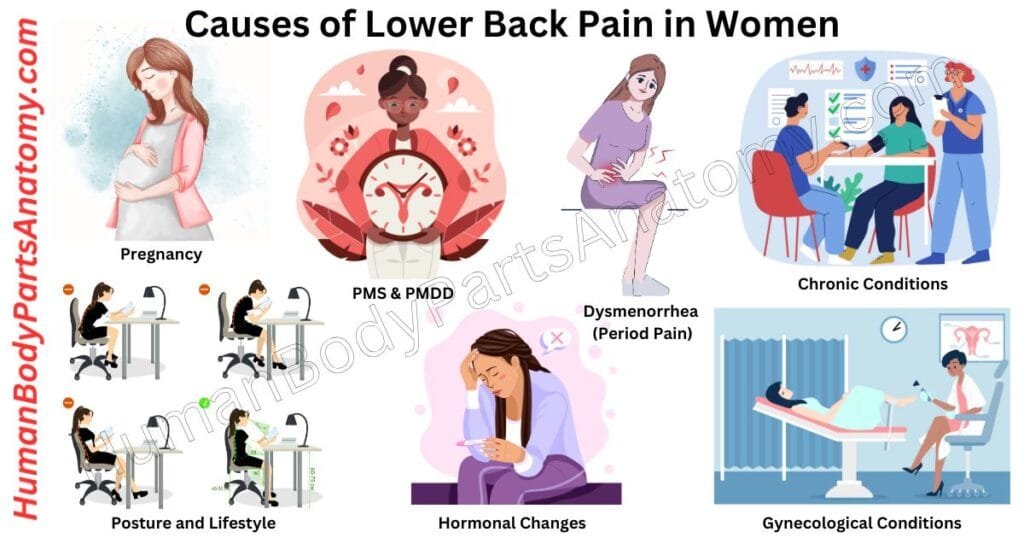
Read More – Top Causes of Lower Back Pain in Women: Symptoms, Risks & Effective Treatments
Treatment Options for Lower Back Pain
Most acute low back pain episodes improve with conservative management within four to six weeks.[1][2][19] Initial self-care measures — short periods of relative rest, application of heat or cold packs, and over-the-counter analgesics such as ibuprofen or acetaminophen — are effective for many patients.[2][16]
Early return to normal activity is recommended over prolonged bed rest, as activity promotes blood flow, reduces deconditioning, and accelerates recovery.[2][16]
Severe pain, progressive neurological deficits, or pain resulting from significant trauma warrants immediate medical evaluation.[11]
Common Treatments for Lower Back Pain
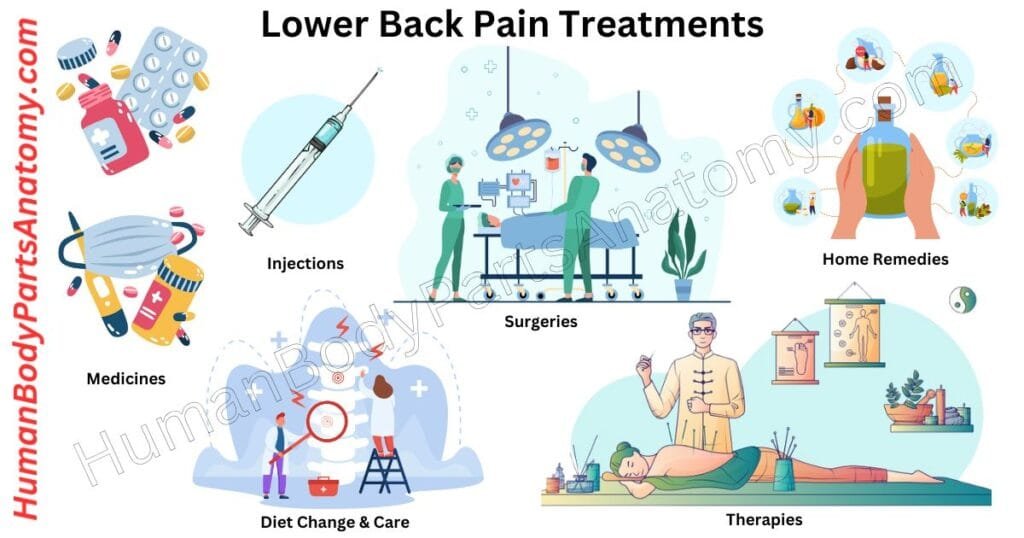
The optimal treatment is individualized based on pain duration, severity, functional impact, and underlying cause. Clinicians may recommend one or more of the following evidence-based approaches:[16][17]
1. Medications
- NSAIDs (e.g., ibuprofen, naproxen) are first-line pharmacological treatment for both acute and chronic low back pain when tolerated, due to their combined analgesic and anti-inflammatory action.[16][17]
- Muscle relaxants (e.g., cyclobenzaprine) may be prescribed short-term for acute pain with prominent muscle spasm.[16][17]
- Opioid analgesics are generally reserved for severe pain unresponsive to first-line agents, given their risks of dependence, sedation, and adverse effects.[16]
2. Physical Therapy
- Supervised exercise therapy involving core stabilization, lumbar flexibility, and aerobic conditioning is a cornerstone of treatment for subacute and chronic low back pain.[16][17]
- Physical therapists also address ergonomic factors, posture, and safe movement patterns to prevent recurrence.[17]
3. Manual Therapy
Spinal manipulation (chiropractic or osteopathic) and therapeutic massage are recommended as non-pharmacological options for both acute and chronic low back pain, supported by the American College of Physicians clinical practice guideline.[16][17]
4. Epidural Steroid Injections
Lumbar epidural steroid injections may reduce radicular pain by delivering corticosteroid medication directly adjacent to an inflamed nerve root, and can provide short-to-medium-term relief for radiculopathy.[16][17]
5. Surgery
- Surgical intervention is indicated for a minority of patients, principally those with structural pathology causing significant neurological deficit (e.g., cauda equina syndrome), progressive weakness, or intractable pain refractory to prolonged conservative management.[2][17]
- Minimally invasive surgical techniques (e.g., microdiscectomy, endoscopic decompression) have reduced operative morbidity and recovery times compared to open procedures.[17]
Recovery and Long-Term Management
The clinical course of most acute and subacute low back pain is favorable, with significant improvement typically occurring within the first six weeks.[19]
For chronic cases, a multidisciplinary approach combining pharmacological treatment, structured exercise, cognitive-behavioral strategies, and lifestyle modification yields the best outcomes.[16][17]
Sustained healthy habits — regular low-impact exercise, weight management, tobacco cessation, and ergonomic optimization — are essential for reducing recurrence risk.[4][18][20]
Read More – Lower Back Pain Treatments: Effective Relief Options, Tests & Expert Tips
Effective Exercises for Lower Back Pain Relief
Regular, structured exercise is among the most effective interventions for both the management of existing low back pain and the prevention of future episodes.[4][16]
Gentle stretching and progressive strengthening of the trunk muscles reduce pain intensity, improve functional mobility, and lower the likelihood of recurrence.[16][17]
Patients should begin with low repetitions and progress gradually. Exercises that provoke or significantly worsen symptoms should be stopped and reviewed with a clinician. Individuals with chronic pain, recent injury, or significant comorbidities should obtain professional guidance before commencing a new exercise program.[16][17]
Exercises supported by clinical practice guidelines for low back pain include:[17]
- Knee-to-Chest Stretch — gently mobilizes the lumbar spine and reduces paraspinal muscle tension.[17]
- Lower Back Rotational Stretch — improves rotational mobility of the lumbar and thoracic spine.[17]
- Lumbar Flexibility Exercise (pelvic tilt) — enhances lumbar motion and reduces mechanical tension.[17]
- Bridge Exercise — strengthens the gluteal muscles, hamstrings, and lumbopelvic stabilizers.[17]
- Cat-Cow Stretch — promotes segmental spinal mobility and relieves posterior chain tension.[17]
- Seated Lumbar Rotation — a low-load stretch suitable for the workplace or during sedentary work periods.[17]
- Shoulder Blade Squeeze (scapular retraction) — improves thoracic posture and reduces thoracolumbar fascial tension.[17]
Consistent performance of these exercises as part of a daily routine can produce meaningful improvements in pain, function, and quality of life.[4][16][17]
Prevention Tips for Lower Back Pain
The lifetime prevalence of low back pain approaches 84% in some population studies, making prevention an essential public health priority.[8]
The majority of episodes are self-limiting, resolving within a few weeks with or without formal treatment.[19] Modifiable lifestyle factors account for a substantial proportion of the global burden of LBP.[3][20]
Stay Active
Brief rest during flare-ups (one to two days) can be helpful, but prolonged bed rest delays recovery and increases disability.[2][16]
Regular low-impact physical activity — such as walking, swimming, or cycling — maintains muscle strength, spinal flexibility, and cardiovascular health. Yoga and tai chi have also demonstrated benefits for posture, flexibility, and balance in individuals with back pain.[16][17]
Quit Smoking
Tobacco smoking is an established, modifiable risk factor for low back pain. Nicotine reduces microvascular blood flow to the vertebral endplates and intervertebral discs, impairing nutrient delivery and disc health, and slowing tissue healing.[3][20]
Smoking cessation is associated with improved musculoskeletal outcomes and reduced chronic pain risk.[20]
Watch Your Posture
Prolonged sitting in a slumped or anteriorly flexed posture increases intradiscal pressure and paraspinal muscle fatigue.[18]
A simple self-check: stand with your heels, calves, hips, shoulders, and the back of your head all touching a wall, with one hand able to slide behind your lower back. If your natural standing posture deviates significantly from this, targeted postural correction is warranted.[18]
Choose the Right Seat
Choose a chair with adjustable lumbar support. Sit with hips and knees at approximately 90 degrees, feet flat on the floor or on a footrest, and recline the backrest slightly (approximately 100–110 degrees) to reduce disc pressure. A lumbar roll or wedge cushion can assist in maintaining the lumbar lordosis.[18]
Type at the Correct Height
Typing with your keyboard too high can strain your shoulders, wrists, and back. Ideally, your keyboard should be at elbow height, not near chest level.[18]
This setup improves circulation, reduces tension in your arms and shoulders, and lowers your risk of numbness, back pain, or long-term issues like carpal tunnel syndrome.[18]
Limit Typing on Your Phone
Typing on your phone may seem harmless, but it bends your neck and curves your spine. Long periods of phone typing can strain the delicate vertebrae in your neck.[18]
Save longer messages or emails for a computer where you can maintain better posture. Use your phone mainly for quick texts or short messages.[18]
Lift Safely
Improper lifting is one of the most common precipitants of acute lumbar strain. When lifting heavy objects: position yourself close to the load, bend at the knees and hips rather than the lumbar spine, engage the core, and avoid twisting the torso during the lift. Push rather than pull heavy objects whenever possible.[1][2]
Maintain a Healthy Weight
Excess adipose tissue, particularly abdominal obesity, increases the compressive load on lumbar discs and facet joints, and shifts the center of gravity anteriorly, increasing lumbar lordosis and paraspinal muscle demand. Maintaining a healthy body weight is associated with significantly reduced LBP prevalence and severity.[3][18][20]
Optimize Sleep Position and Mattress
For individuals with low back pain, side-lying with the knees slightly flexed or supine with a pillow under the knees reduces lumbar intervertebral pressure and paraspinal muscle loading. Prone sleeping increases lumbar extension and is generally not recommended. A medium-firm mattress provides the best balance of spinal support and pressure relief.[18]
Adjust Your Desk Setup
Position your computer monitor directly in front of you, about an arm’s length away. The top of the screen should be 2–3 inches above eye level. If you use bifocals, lower the monitor slightly for comfort.[18]
Reduce Laptop Use on Your Lap
Using a laptop on your lap for long periods can strain your neck and upper back. Bending your head forward puts pressure on the vertebrae at the top of your spine, which may cause headaches and back pain.
To avoid this, place your laptop on a desk and use a separate keyboard and mouse. If you must use your laptop on your lap, raise it so the screen is about 6 inches below eye level. You can use a book or a tray to elevate it. Also, try to limit laptop sessions to 30 minutes at a time.
Take Frequent Breaks
Prolonged static postures — whether sitting or standing — increase posterior element loading and paraspinal fatigue. A brief movement break every 30 to 60 minutes substantially reduces musculoskeletal discomfort and improves circulation.[18]
Limit High Heels
Wearing high heels can shift your posture and strain your lower back. Stick to heels around one inch. If you prefer higher heels, carry a pair of low-heeled shoes to switch into when your back starts to feel uncomfortable.
Keep Your Wallet Light
Sitting on a thick or overstuffed wallet can cause back discomfort. Remove your wallet from your back pocket if you’ll be sitting for long periods, such as while driving.
FAQ’s
Low back pain can result from muscle or ligament strain, herniated or degenerated discs, spinal stenosis, osteoarthritis, or traumatic fractures.[1][2][10] Modifiable risk factors include obesity, tobacco use, physical inactivity, prolonged sedentary work, and psychological stress.[3][20]
Lumbago is a general term used to describe pain in the lower back. It is not a disease itself but rather a symptom of conditions such as muscle strain, disc problems, or degenerative spinal changes.[1][4]
Lumbago is a non-specific clinical term for pain localized to the lower back region. It is a descriptive term, not a diagnosis, and can encompass mechanical, inflammatory, or referred causes.[1][4]
For most Americans, mild lower back pain can be managed at home. Relief methods include applying ice or heat, gentle stretching, yoga, walking, and using over-the-counter pain relievers like ibuprofen or acetaminophen. Staying active is usually better than prolonged bed rest.[2][16][17][18][19]
If pain is severe, alternate ice and heat, avoid heavy lifting, and use anti-inflammatory medications. Many U.S. doctors also recommend physical therapy or muscle relaxants. If the pain lasts more than 2 weeks, radiates down your legs, or causes numbness, it’s best to see a healthcare provider.[2][16][17][18][19]
Sleeping positions matter. In the U.S., back specialists recommend lying on your back with a pillow under your knees or on your side with a pillow between your knees. A medium-firm mattress and good sleep posture can reduce nighttime pain. Avoid sleeping on your stomach, as it strains the spine.[18][19]
Helping your back often means lifestyle changes. For Americans who sit long hours, ergonomic office chairs and standing desks can help. Daily low-impact exercise like swimming, biking, or walking strengthens core muscles and reduces pain. Maintaining a healthy weight and quitting smoking are also important.[2][16][17][18][19]
Fixing lower back pain often requires a combination of stretching, strengthening exercises, correcting posture, and making ergonomic adjustments at work or home. In chronic cases, medical treatments such as physical therapy, injections, or surgery may be needed.[2][16][17][18][19]
To alleviate pain, use heating pads or cold packs, practice gentle yoga, take short walks, and avoid sitting too long. Many Americans also find relief with massage therapy, acupuncture, or guided physical therapy programs. Stress management techniques, like mindfulness or meditation, can also reduce pain flare-ups.[2][16][17][18][19]
To get rid of lower back pain, adopt a healthy lifestyle with regular exercise, ergonomic seating, proper lifting techniques, and core strengthening. For persistent or severe cases, medical evaluation is necessary to rule out underlying conditions.[2][16][17][18][19]
References-
- MedlinePlus / National Library of Medicine (NLM). (2024). Low Back Pain — Acute. U.S. National Library of Medicine, National Institutes of Health (NIH). Available at: https://medlineplus.gov/ency/article/007425.htm
- MedlinePlus / National Library of Medicine (NLM). (2024). Low Back Pain — Chronic. U.S. National Library of Medicine, National Institutes of Health (NIH). Available at: https://medlineplus.gov/ency/article/007422.htm
- GBD 2021 Low Back Pain Collaborators. (2023). Global, regional, and national burden of low back pain, 1990–2020, its attributable risk factors, and projections to 2050: a systematic analysis of the Global Burden of Disease Study 2021. The Lancet Rheumatology, 5(6), e316–e329. DOI: 10.1016/S2665-9913(23)00098-X — PMID: 37273833. Available at: https://pubmed.ncbi.nlm.nih.gov/37273833/
- World Health Organization (WHO). (2023). Low Back Pain — Global Fact Sheet. World Health Organization. Updated June 19, 2023. Available at: https://www.who.int/news-room/fact-sheets/detail/low-back-pain
- Bailey A., Hagger G., et al. (2026). Intradiscal linezolid (PP353) treatment for chronic low back pain associated with Modic change type 1: an international first-in-human randomized sham procedure-controlled double-blind phase 1b clinical trial. eClinicalMedicine (The Lancet Discovery Science). DOI: 10.1016/j.eclinm.2026.00011. Available at: https://www.thelancet.com/journals/eclinm/article/PIIS2589-5370(26)00011-8/fulltext
- Hagger G., et al. (2024). Pharmacokinetics of PP353 (Intradiscal Linezolid) in Patients with Chronic Low Back Pain and Modic Change Type 1: A First-in-Human Phase 1b Open-Label Single-Dose Study. JOR Spine. PMCID: PMC11561661. Available at: https://pmc.ncbi.nlm.nih.gov/articles/PMC11561661/
- Reid-McCann R., Poli-Neto O.B., Stein K., et al. (2025). Longitudinal association between dysmenorrhoea in adolescence and chronic pain in adulthood: a UK population-based study. The Lancet Child & Adolescent Health. DOI: 10.1016/S2352-4642(25)00213-5 — PMID: 40902609.
- Hartvigsen J., Hancock M.J., Kongsted A., et al. (2018). What Low Back Pain Is and Why We Need to Pay Attention. The Lancet, 391(10137), 2356–2367. DOI: 10.1016/S0140-6736(18)30480-X — PMID: 29573870.
- Casiano V.E., Sarwan G., Dydyk A.M., Varacallo M. (2025). Back Pain. In: StatPearls [Internet]. Treasure Island (FL): StatPearls Publishing. Updated December 2025. NCBI Bookshelf ID: NBK538173. Available at: https://www.ncbi.nlm.nih.gov/books/NBK538173/
- National Institute of Neurological Disorders and Stroke (NINDS). Low Back Pain Fact Sheet. National Institutes of Health (NIH). Available at: https://www.ninds.nih.gov/health-information/disorders/back-pain
- MedlinePlus / National Library of Medicine (NLM). (2024). Back Pain — When to See a Doctor. U.S. National Library of Medicine, National Institutes of Health (NIH). Available at: https://medlineplus.gov/ency/article/007494.htm
- MedlinePlus / National Library of Medicine (NLM). (2024). Ankylosing Spondylitis. U.S. National Library of Medicine, National Institutes of Health (NIH). Available at: https://medlineplus.gov/ankylosingspondylitis.html
- MedlinePlus / National Library of Medicine (NLM). (2024). Fibromyalgia. U.S. National Library of Medicine, National Institutes of Health (NIH). Available at: https://medlineplus.gov/ency/article/000427.htm
- MedlinePlus / National Library of Medicine (NLM). (2024). MRI and Low Back Pain. U.S. National Library of Medicine, National Institutes of Health (NIH). Available at: https://medlineplus.gov/ency/article/007493.htm
- Cheng J., et al. (2024). Low Back Pain. StatPearls [Internet]. Treasure Island (FL): StatPearls Publishing. NCBI Bookshelf ID: NBK572334. Available at: https://www.ncbi.nlm.nih.gov/books/NBK572334/
- Qaseem A., Wilt T.J., McLean R.M., Forciea M.A. (2017). Noninvasive Treatments for Acute, Subacute, and Chronic Low Back Pain: Clinical Practice Guideline from the American College of Physicians. Annals of Internal Medicine, 166(7), 514–530. DOI: 10.7326/M16-2367 — PMID: 28192789. Available at: https://pubmed.ncbi.nlm.nih.gov/28192789/
- World Health Organization (WHO). (2023). WHO Guideline for Non-Surgical Management of Chronic Primary Low Back Pain in Adults in Primary and Community Care Settings. Geneva: World Health Organization. ISBN: 9789240081789. Available at: https://www.who.int/publications/i/item/9789240081789
- National Institute of Arthritis and Musculoskeletal and Skin Diseases (NIAMS). Back Pain — Overview. National Institutes of Health (NIH). Available at: https://medlineplus.gov/backpain.html
- Wallwork S.B., Braithwaite F.A., O’Keeffe M., et al. (2024). The Clinical Course of Acute, Subacute and Persistent Low Back Pain: A Systematic Review and Meta-Analysis. CMAJ (Canadian Medical Association Journal), 196(2), E29–E46. DOI: 10.1503/cmaj.230542 — PMID: 38253366 — PMCID: PMC10805138. Available at: https://pubmed.ncbi.nlm.nih.gov/38253366/
- Roberts H.C., et al. (2025). Global Trends in Risk Factors for Low Back Pain: Analysis of Global Burden of Disease Data from 1990–2021. Arthritis Care & Research. DOI: 10.1002/acr.25520. Available at: https://acrjournals.onlinelibrary.wiley.com/doi/10.1002/acr.25520
- MedlinePlus / National Library of Medicine (NLM). (2025). Lumbosacral Spine X-ray. U.S. National Library of Medicine, National Institutes of Health (NIH). Available at: https://medlineplus.gov/ency/article/003807.htm
Medical Disclaimer
All content on HumanBodyPartsAnatomy.com is educational and based on verified, peer-reviewed medical sources. Articles are authored or reviewed by qualified medical or biomedical professionals to ensure accuracy.
This website does not provide medical advice, diagnosis, or treatment. Always consult a licensed healthcare professional for personal medical guidance.
No commercial or promotional interests influence the medical content published on this site.