📅 Published on September 24, 2025 | 🕒 Last Reviewed & Updated on August 9, 2026
Overview of Lower Back Pain Treatments
Back pain is something many of us will experience at some point in our lives. The good news is that most cases aren’t serious and are often caused by a simple muscle or ligament strain.[1] The main goals of lower back pain treatments are to ease the pain and help you return to your daily activities. For sudden pain flareups, short-term rest or cutting back on activities might be advised, but staying inactive for too long can actually slow your recovery.[2][3] To promote healing, treatment usually includes therapies that support the spine and help rehabilitate the area while also providing pain relief. As much as possible, it’s important to stay active and get back to your normal routine when you feel ready.[2][4]
Moving around and exercising won’t worsen your back pain—even if it feels uncomfortable at first. In fact, staying active helps speed up recovery.[3][4] Using pain-relief medications as needed can also make it easier to stay active and manage discomfort.[5]
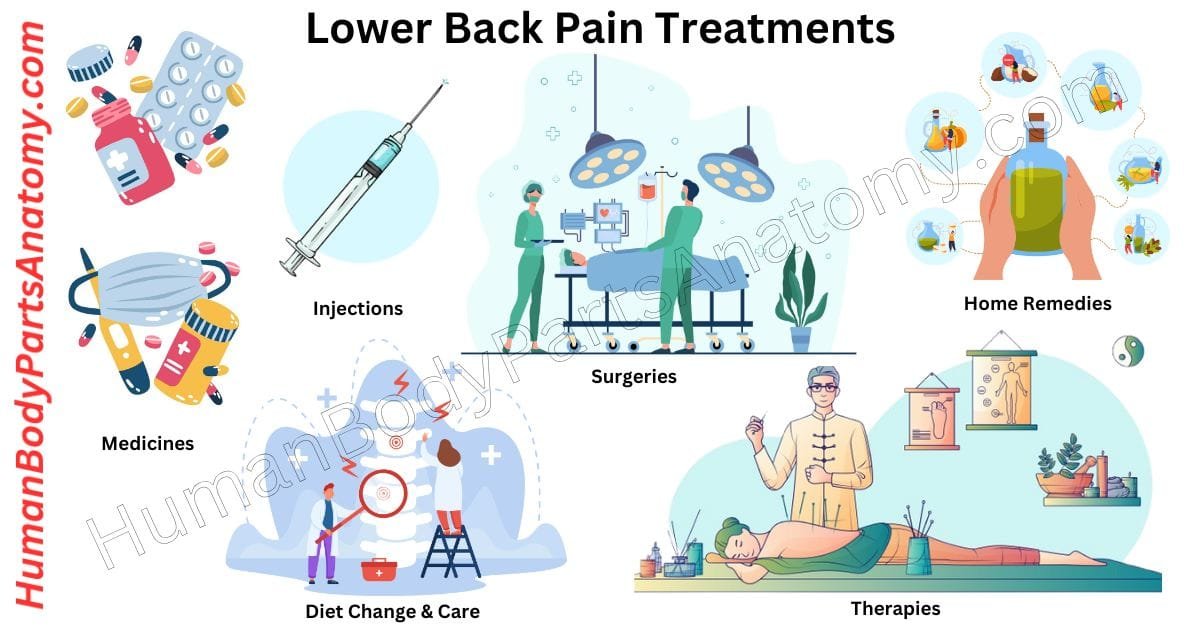
Lower Back Pain Treatments Image
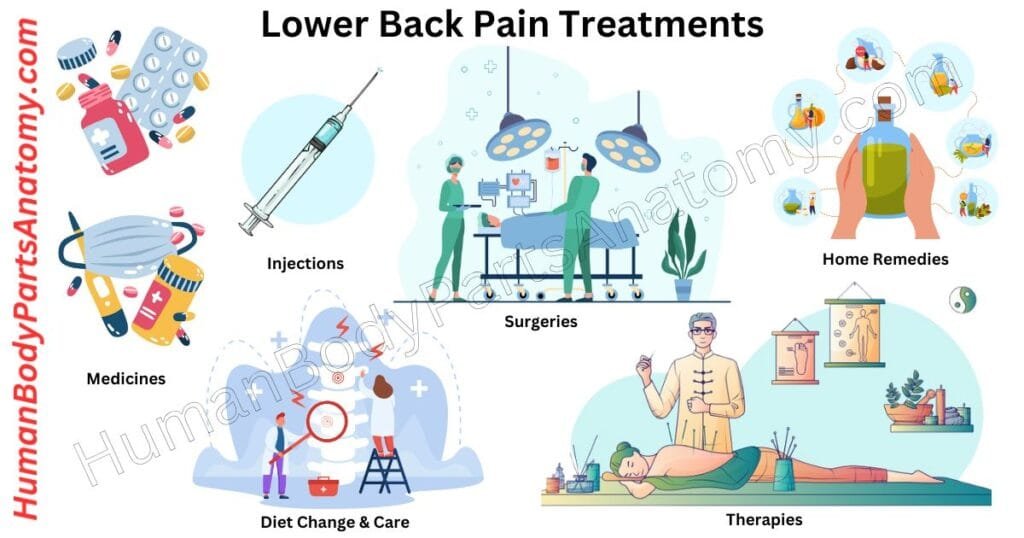
Lower Back Pain Treatment
Home Remedies
- Exercise to Keep Muscles Active
- Improve Your Posture to Ease Lower Back Pain
- Apply Heat and Cold Therapy
- Use Pain-Relief Creams for Back Pain
- Massage for Lower Back Pain
- Wear Supportive Shoes to Help Lower Back Pain
- Improve Your Workstation to Prevent Back Pain
Therapies for Lower Back Pain
- Physiotherapy
- Occupational Therapy (OT)
- Talking Therapies
Injections
- Transforaminal & Interlaminar Epidural Injections
- Caudal Epidural Injection
- Ganglion Impar Block
- Sacroiliac Joint Injections
- Facet Joint Injections
- Radiofrequency Ablation (RFA)
- Piriformis Injection
- Spinal Cord Stimulator
- Ozone Nucleolysis (Ozone Disc Injection)
Medicines
- Over-the-Counter (OTC)
- Pain Relievers
- Acetaminophen (Tylenol)
- Nonsteroidal Anti-Inflammatory Drugs (NSAIDs)
- Narcotic Pain Relievers (Opioids)
- Muscle Relaxant
- Antidepressants
- Anti-Seizure (Anticonvulsant)
Diet Change
- Fatty Fish
- Dark Leafy Greens
- Nuts and Seeds
- Berries
- Whole Grains
- Ginger and Turmeric
- Dairy Products
- Water
Surgeries
- Lumbar Decompression Surgery for Spinal Stenosis
- Discectomy & Microdiscectomy
- Herniated Disc Surgery
- Spinal Fusion Surgery
Home Remedies for Lower Back Pain
1. Exercise to Keep Muscles Active
Gentle movement is one of the best ways to relieve lower back pain. Simple activities like walking, yoga, swimming, water aerobics, or other low-impact exercises can help reduce stiffness and improve flexibility.[4][6]
Creating a daily routine that includes both stretching and light strength training supports stronger, more flexible muscles, which reduces pressure on the spine.[6] Staying active not only eases current back pain but also helps prevent future flare-ups caused by tight or weak muscles.[5][7]
2. Improve Your Posture to Ease Lower Back Pain
Poor posture is a common cause of lower back pain. Making small adjustments to how you sit, stand, and move can help prevent discomfort and improve overall health.[8]
Research has found that certain types of exercise can enhance posture and reduce back pain, including:
- Yoga: Helps increase flexibility, reduce pain, and boost both mental and physical well-being.[9][10]
- Pilates: Focuses on core strength with principles like posture control, muscle activation, breathing, and movement flow.[5]
- Tai Chi: This gentle, traditional Chinese practice can improve balance, lower pain levels, and enhance physical function.[7][10]
- Core stability exercises: Target the muscles around your torso to reduce tension, improve coordination, and support your spine.[5]
- Aerobic exercise: Activities like cycling or swimming can improve endurance, muscle strength, and mental health, helping to manage pain.[5]
- Walking and running: Simple, low-cost ways to strengthen muscles and support back health.[4][6]
- Cycling: Some people find it beneficial for building strength and relieving lower back pain.[6]
Additional Tips to Improve Posture:
- Mind your posture: When sitting or standing, keep your head up and shoulders back. Avoid slouching or tightening your stomach muscles unnecessarily.
- Avoid repetitive strain: Long hours of sitting or frequently lifting heavy items can lead to back pain. When sitting for a long time, get up, move around, and change your position frequently.[8]
- Stand evenly: Distribute your body weight on both feet instead of leaning on one side.
- Limit what you carry: Make extra trips rather than carrying too much at once, and bend your knees when lifting.[8]
- Practice regularly: Being aware of how you hold your body and making small corrections daily can prevent future pain and injuries.
Improving your posture may feel challenging at first, but consistent practice can lead to long-term relief and better overall health.
3. Apply Heat and Cold Therapy
Using heat and cold therapy is one of the simplest and most effective ways to ease lower back pain.
Cold packs are usually recommended right after an injury, such as a muscle strain or sudden back spasm. To reduce swelling and inflammation, apply an ice pack wrapped in a thin towel. Cold naturally numbs the area and can temporarily ease sharp pain. NIH patient guidance suggests using ice for the first 48 to 72 hours after the pain begins, and then switching to heat.[2]
Experts recommend using ice packs for no longer than 15–20 minutes at a time to avoid skin damage. If you don’t have a cold pack, use a bag of frozen vegetables wrapped in a towel.[2]
Heat therapy helps with stiff, aching muscles and chronic pain. Try a heating pad, hot water bottle, or warm rice bag to improve blood flow and relax tight muscles.
These options can also promote healing. Always follow safety instructions to avoid burns. Use a warm, not overly hot, temperature for best relief. It is worth knowing that the evidence is stronger for heat than for cold: a Cochrane review found moderate evidence that heat wrap therapy gives a small short-term reduction in pain and disability, but insufficient evidence to draw conclusions about cold therapy.[11]
Specialty guidelines therefore list superficial heat among the recommended first-line non-drug treatments for acute and subacute low back pain.[5]
Many people find that alternating between heat and cold gives the best relief, combining the benefits of both therapies, though the evidence for alternating specifically is limited.[11]
4. Use Pain-Relief Creams for Back Pain
You can find a range of pain-relief creams at pharmacies or online that may help ease back pain.
Creams with menthol are popular because they create a cooling sensation that temporarily reduces discomfort. A 2018 review shows that applying menthol to the skin activates the TRPM8 receptor and acts as a counter-irritant, first stimulating and then desensitising the nerve endings that carry pain signals. However, using too much menthol might make the area more sensitive over time.[12]
Some people also choose creams containing cannabidiol (CBD). The evidence here is weaker than is often suggested. The 2020 publication most frequently cited on this topic is a small case series and literature review rather than a controlled trial of CBD creams,[13] and a 2022 systematic review of cannabis for spine-related pain concluded that the evidence remains insufficient to recommend it routinely for low back pain.[14] CBD products are not FDA-approved for back pain.
These creams can be a helpful option for managing pain, but it’s important to follow the instructions and consult a healthcare provider if you’re unsure.
5. Massage for Lower Back Pain
Massage may provide short-term relief for lower back pain, but there’s limited scientific evidence to fully support its effectiveness as a long-term solution for chronic lower back pain.[7][15]
It is, however, one of the non-drug options that specialty guidelines suggest clinicians and patients consider for acute or subacute low back pain, alongside superficial heat, acupuncture, and spinal manipulation.[5]
Soft tissue massage techniques include kneading, friction, gliding, vibration, and tapping. Many people use massage along with other treatments to help ease discomfort.
Massage is generally safe for most people, but it’s not advised if you have:[16]
- A skin infection or severe inflammation
- A burn or healing wound
- Broken bones that haven’t healed, or severe osteoporosis
- An active cancer tumor
- Deep vein thrombosis (DVT), a bleeding disorder, or if you take blood-thinning medication
6. Wear Supportive Shoes to Help Lower Back Pain
Wearing well-fitted, comfortable shoes can reduce strain on your lower back. Experts, including the National Institute of Arthritis and Musculoskeletal and Skin Diseases, recommend choosing shoes with a low heel and proper cushioning for better comfort and posture.[8]
Orthotic inserts are often suggested as well, but the evidence does not support them for back pain: a Cochrane review found strong evidence that insoles do not prevent back pain, and the available evidence on insoles as a treatment does not allow any conclusion.[17] They may still be appropriate for a specific foot condition diagnosed by a clinician.
This simple change can make a noticeable difference in alleviating back pain and enhancing daily mobility.
7. Improve Your Workstation to Prevent Back Pain
According to the Occupational Safety and Health Administration (OSHA), setting up your workstation correctly can help prevent back pain and reduce the risk of injuries.[18]
Make sure your computer screen is positioned directly in front of you with the top line of the screen at or below eye level, at a viewing distance of about 20 to 40 inches, and your chair is adjusted to the right height to support good posture throughout the day.[18][19]
If your job involves lifting, always bend your knees and use your leg muscles instead of your back. For heavy items, it’s safer to ask for help or use equipment like trolleys to avoid strain.[8]
A few small adjustments can make a big difference in staying pain-free and working safely.
Therapies for Back Pain
1. Physiotherapy
Physiotherapy is one of the most effective ways to manage and recover from lower back pain. It focuses on improving strength, flexibility, and posture, which helps reduce pain and prevent future flare-ups.[6]
A licensed physiotherapist can design a personalized exercise program based on your specific condition, ensuring safe and gradual progress.[6]
In addition to exercises, physiotherapists may use manual therapy techniques, often referred to as “hands-on treatments.”
These include gentle spinal mobilization, soft tissue massage, and joint manipulation to improve movement, relieve stiffness, and reduce muscle tension. Such therapies are commonly performed by physiotherapists, chiropractors, and osteopaths.[5][7]
Physiotherapy not only provides short-term pain relief but also promotes long-term recovery by correcting movement patterns, strengthening the core and back muscles, and teaching you how to protect your spine during daily activities like lifting, sitting, or bending.[5][7]
2. Occupational Therapy (OT)
Occupational therapy (OT) is a type of treatment that helps you improve your ability to perform everyday activities. Whether it is getting dressed, cooking, or moving safely through your home, OT focuses on helping you regain independence and participate fully in life.
You may need occupational therapy after an injury, surgery, or illness. It is also helpful for managing long-term health conditions, disabilities, or challenges that affect your daily routine.
OT teaches practical ways to adapt tasks or use tools, so you can stay safe and confident while doing what matters most to you.
The word “occupation” in occupational therapy doesn’t only refer to a job or career—it means any activity you do regularly, like self-care, home chores, or social interactions.
3. Talking Therapies
Long-lasting back pain doesn’t just affect your body—it can also impact your mood. Feeling down, stressed, or anxious is common when you are dealing with ongoing pain.[20]
It is important to reach out for support. Talking to a partner, family member, friend, or healthcare provider can make a big difference.
One effective option is cognitive behavioral therapy (CBT). This type of therapy helps you manage stress and anxiety by breaking problems into smaller, manageable steps and teaching you positive ways to cope. CBT usually involves about 10 to 20 sessions with a therapist, and goals need to be realistic and taken in steps.[21]
Your doctor can refer you to a CBT program, or you can explore private therapy options. Psychological therapies including CBT are among the treatments with consistent supporting evidence for chronic low back pain.[5][7]
Staying socially connected and physically active also plays a key role in improving your mood and managing pain.
Joining a local gym, sports league, walking group, or gardening club can provide both exercise and emotional support. Even regular coffee meetups with friends can boost your well-being.
Taking small steps to stay active and connected can help you feel better and make it easier to handle back pain.
Injections for Back Pain
Back pain affects millions of people worldwide. Although surgery is sometimes necessary, many people feel better with non-surgical treatments.[20] Image-guided injection therapy is one of the options that can help relieve pain without surgery.
1. Transforaminal & Interlaminar Epidural Injections
Transforaminal and interlaminar epidural injections are commonly used treatments for back and leg pain. These procedures involve injecting anti-inflammatory medicines or steroids directly into the epidural space around the spine, under fluoroscopic guidance with contrast to confirm needle placement.[22]
By targeting the affected area, they help reduce swelling, ease pain, and improve mobility. These injections are often recommended for conditions like herniated discs, spinal stenosis, or nerve compression.[22] Relief tends to be short-term rather than permanent, and many people need additional treatment for sustained benefit.[22][23]
2. Caudal Epidural Injection
A caudal epidural injection delivers medication into the epidural space through the sacral canal at the base of the spine.[22]
This method is used for treating lower back pain and radiating pain that extends down the legs (sciatica). Caudal injections not only reduce inflammation and discomfort but can also help pinpoint the cause of pain.[22]
3. Ganglion Impar Block
The ganglion impar is the most caudal ganglion of the sympathetic chain, a solitary midline structure lying anterior to the sacrococcygeal junction near the tailbone and pelvic area.[24] A ganglion impar block involves injecting medication into this nerve cluster to block pain signals.[24]
This treatment is useful for chronic pelvic pain, tailbone pain (coccydynia), and other nerve-related discomforts in the lower back and pelvic region.[24][25] Because serious causes of tailbone pain such as infection or malignancy need to be ruled out first, this is done as part of a specialist assessment.[25]
4. Sacroiliac Joint Injections
Sacroiliac joint injections are a common treatment to reduce pain and inflammation in the sacroiliac joints, which connect your lower spine to the pelvis.
These injections deliver anti-inflammatory medication right where it is needed, helping to ease pain and improve movement. They are especially beneficial for people with sacroiliac joint dysfunction caused by injury, arthritis, or muscle strain, and can serve both diagnostic and therapeutic purposes.[26]
5. Facet Joint Injections
Facet joint injections are used to target pain and swelling in the small joints between the vertebrae. This treatment is often recommended for individuals dealing with facet joint syndrome, arthritis, or spinal degeneration due to aging. The injections provide quick pain relief and can help improve daily activities.[26]
6. Radiofrequency Ablation (RFA)
Radiofrequency ablation (RFA) is a minimally invasive procedure that uses heat to block pain signals from nerves, most often the medial branch nerves that carry sensation from the facet joints.[27]
It is a highly effective option for chronic back pain caused by problems in the facet or sacroiliac joints. Unlike temporary nerve blocks, RFA can provide longer-lasting relief, often up to a year or more, though the nerves regenerate over time and the procedure may need to be repeated.[27]
7. Piriformis Injection
The piriformis is a small muscle located deep in the buttocks that helps with hip movement. Sometimes, it can press on the sciatic nerve, causing pain, numbness, or tingling in the buttocks and down the leg — a condition called piriformis syndrome.[28]
A piriformis injection delivers anti-inflammatory medicine directly into the muscle to help reduce pain, swelling, and nerve irritation, providing faster relief.[28]
Piriformis syndrome is uncommon, accounting for an estimated 0.3% to 6% of cases of low back and posterior thigh pain, and is diagnosed after more common causes of sciatica have been excluded.[28]
8. Spinal Cord Stimulator
A spinal cord stimulator is a small device implanted near the spine. It sends mild electrical signals to the spinal cord, which helps block pain signals from reaching the brain.
This treatment is sometimes offered to people with chronic back pain who haven’t found relief from other methods like medication or injections. Its long-term benefit is debated: a 2023 Cochrane review concluded that spinal cord stimulation probably has little to no sustained benefit over placebo for low back pain,[29] a conclusion that interventional pain specialists have publicly contested on methodological grounds.[30] It is best considered a last-resort option after a detailed discussion of risks, costs, and realistic expectations with a specialist.
9. Ozone Nucleolysis (Ozone Disc Injection)
Ozone nucleolysis, also called an ozone disc injection, is a minimally invasive procedure used in some countries to treat herniated or worn-down spinal discs. In this treatment, a mixture of ozone and oxygen is injected into the damaged disc, with the aim of reducing inflammation, relieving pressure on nearby nerves, and shrinking the disc material.
Anyone considering this procedure should know that it is not approved in the United States. Under federal regulation 21 CFR 801.415, the U.S. Food and Drug Administration states that ozone is a toxic gas with no known useful medical application in specific, adjunctive, or preventive therapy, and prohibits ozone-generating devices intended for conditions where there is no proof of safety and effectiveness.[31]
Medicines for Back Pain
Acute back pain often improves on its own within a few weeks. However, some people continue to experience discomfort. In certain cases, the pain doesn’t go away completely or may come and go, becoming more intense at times.[32]
1. Over-the-Counter (OTC) Pain Relievers
OTC medicines are available without a prescription and are commonly the first choice for managing back pain.[32]
Acetaminophen (Tylenol)
Acetaminophen is gentle on the stomach and has fewer side effects than other pain medicines, and NIH patient information lists it among the first-choice options.[32]
Avoid taking more than 3,000 mg (3 grams) per day, as too much can seriously harm your liver. If you have liver disease or take other medications, talk to your doctor before using acetaminophen.[32]
It should be noted, however, that the largest placebo-controlled trial of paracetamol for acute low back pain (1,652 patients) found no difference in recovery time between regular paracetamol, as-needed paracetamol, and placebo,[33] so it is best regarded as an option for people who cannot take NSAIDs rather than as a proven treatment for a new episode.
Nonsteroidal Anti-Inflammatory Drugs (NSAIDs)
NSAIDs, such as ibuprofen (Advil, Motrin) or naproxen (Aleve), can help reduce inflammation and swelling caused by conditions like a strained disk or arthritis. Some NSAIDs are available without a prescription, but it’s important to follow the recommended dose.[32]
Current specialty guidance recommends NSAIDs as the first-line drug option when medication is wanted for acute, subacute, or chronic low back pain.[5]
Safety Tips for Pain Relievers
- Long-term or high-dose use of NSAIDs can cause side effects like stomach pain, ulcers, bleeding, or kidney damage. Acetaminophen carries a different risk — liver damage in overdose — rather than the stomach and bleeding risks of NSAIDs.[32]
- Stop using the medicine and contact your doctor if you notice any side effects.[32]
- If you need pain relievers for more than a week, let your doctor know. They may want to monitor your health to prevent complications.[32]
- Always follow the instructions on the label and consult your healthcare provider if you are pregnant, have other medical conditions, or take other medications.[32]
2. Narcotic Pain Relievers (Opioids)
Narcotic pain relievers, also called opioids, are strong medications used to manage severe pain that over-the-counter painkillers cannot relieve. They are usually prescribed for short-term use, often no longer than 3 to 4 weeks, unless your doctor advises otherwise.[32]
Opioids work by attaching to specific receptors in the brain and spinal cord. This reduces the sensation of pain, helping you feel more comfortable.[32] Current CDC guidance is that non-opioid therapies are preferred for subacute and chronic pain, and that for many types of acute pain non-opioid treatments are at least as effective as opioids.[34]
Common Opioid Medications
Some frequently prescribed narcotic pain relievers include:[32]
- Codeine
- Fentanyl (including patches)
- Hydrocodone
- Hydromorphone
- Morphine
- Oxycodone (OxyContin)
- Tramadol
Possible Side Effects
Like all medications, opioids can cause side effects. Common ones include:[32]
- Drowsiness or fatigue
- Trouble thinking clearly
- Nausea or vomiting
- Constipation
- Itching or skin reactions
- Slow or shallow breathing
Long-term or improper use of narcotics can lead to dependence, addiction, overdose, and withdrawal symptoms. Always follow your doctor’s instructions carefully.[34]
3. Muscle Relaxant
Muscle relaxants are prescription medicines often used to relieve back pain, stiffness, or muscle spasms. Despite their name, they don’t work directly on the muscles. Instead, they act on the brain and spinal cord to reduce muscle tension and discomfort.[32]
These medications are usually taken alongside over-the-counter pain relievers like acetaminophen or ibuprofen for better relief.[32] A 2021 systematic review of 49 trials found that any pain benefit is small and probably not clinically important, and comes with an increased risk of side effects, so they are best used briefly rather than long-term.[35]
Common muscle relaxants
- Carisoprodol
- Cyclobenzaprine
- Diazepam
- Methocarbamol
Possible Side Effects
- Drowsiness or sleepiness
- Dizziness or lightheadedness
- Confusion
- Nausea or vomiting
Some muscle relaxants can be habit-forming. So it is important to follow your doctor’s instructions carefully. Carisoprodol in particular is broken down into meprobamate, a sedative; both are controlled substances and the approved label limits use to 2–3 weeks.[36] Diazepam is a benzodiazepine, and combining benzodiazepines with opioids raises overdose risk.[34] These medicines may also interact with other medications or worsen certain health conditions, such as liver or kidney problems.
Safety tips while taking muscle relaxants:
- Avoid driving or operating heavy machinery.
- Do not drink alcohol, as it can increase drowsiness and other side effects.
- Take only as prescribed and report any unusual symptoms to your healthcare provider.
4. Antidepressants
While antidepressants are mainly used to treat depression, certain low-dose antidepressants can also help manage chronic low back pain, even if you are not feeling depressed.[32]
These medications work by altering the levels of specific brain chemicals, which can change how your brain perceives pain. Some antidepressants also improve sleep, which is important for people dealing with long-term back pain.[32]
Of these, duloxetine is the one approved by the FDA for chronic musculoskeletal pain, an indication based on studies in chronic low back pain and osteoarthritis.[37] The others are used off-label. It is worth knowing that recent evidence reviews find the average benefit modest: a 2021 meta-analysis concluded that SNRI antidepressants reduce back pain but by an amount unlikely to be clinically important, and that tricyclics were ineffective,[38] a finding echoed by a 2025 Cochrane review.[39]
Common Antidepressants
- Amitriptyline
- Desipramine
- Duloxetine
- Imipramine
- Nortriptyline
Side Effects
- Dry mouth
- Constipation
- Blurred vision
- Weight gain
- Drowsiness or sleepiness
- Difficulty urinating
- Sexual problems
Important Safety Tips
- Always take these medications under a doctor’s supervision.[32]
- Do not stop taking them suddenly or change the dose without your provider’s guidance.[32]
- Discuss any pre-existing health conditions, like heart or lung issues, with your provider before starting treatment.[32]
5. Anti-Seizure (Anticonvulsant)
Anti-seizure medications, also called anticonvulsants, are usually prescribed to treat epilepsy and seizures. They work by stabilizing the electrical signals in the brain. These medicines can also help relieve certain types of nerve-related (neuropathic) pain, such as diabetic nerve pain.[32]
For back pain specifically, however, the evidence does not support them. A 2018 systematic review and meta-analysis of nine placebo-controlled trials found that 14 of 15 comparisons showed anticonvulsants were ineffective for low back pain or lumbar radicular pain, with high-quality evidence of no benefit from gabapentinoids in chronic low back pain and high-quality evidence of a higher risk of adverse events.[40] The World Health Organization likewise recommends that anticonvulsants should not be used as part of routine care for chronic low back pain.[41]
Common anticonvulsants
- Carbamazepine: Often used for nerve pain in the back or face.
- Gabapentin: Helps ease tingling, burning, or shooting pain from nerve issues.
- Lamotrigine: Sometimes prescribed for long-term nerve pain management.
- Pregabalin: Commonly used for nerve pain in the back and conditions like fibromyalgia.
- Valproic acid: Occasionally used for pain along with seizure management.
Possible side effects:
Anticonvulsants can cause side effects such as nausea, drowsiness, dizziness, skin rashes, weight changes, confusion, or mood changes. Side effects vary depending on the medication and individual health factors.[40]
Safety tips:
- Always take anticonvulsants exactly as prescribed by your doctor.
- Never stop or change the dose on your own, as this can cause serious complications.
Diet Change for Back Pain
Poor eating habits like skipping meals, overeating, or consuming too much caffeine, alcohol, and sugar can contribute to back pain. Many cases of back pain are linked to inflammation, which worsens discomfort and slows recovery. Certain foods, however, are packed with nutrients that help fight inflammation and support bone and joint health.
Here’s a list of the best foods that can support spinal health. It should be said that the evidence connecting specific foods to back pain relief is indirect — even for weight loss, where the link to back pain is better established, a systematic review found only very low-quality evidence that weight loss programs improve back pain or disability.[42] These are best seen as support for general musculoskeletal health.
1. Fatty Fish
Fatty fish like salmon, tuna, sardines, and trout are rich in Omega-3 fatty acids, which are known to reduce inflammation. Getting EPA and DHA from food is the most practical way to raise levels in the body, since only very small amounts of plant-derived ALA are converted.[43] Seafood also provides Vitamin D, which supports bone health.[43]
2. Dark Leafy Greens
Vegetables like spinach, kale, and collard greens are loaded with vitamins A, C, K, and antioxidants. These nutrients contribute to overall dietary quality, and adequate calcium intake supports bone structure.[44]
3. Nuts and Seeds
Almonds, walnuts, chia seeds, and flaxseeds are excellent sources of healthy fats and the plant omega-3 ALA; flaxseed oil is one of the main dietary sources.[43]
4. Berries
Blueberries, strawberries, raspberries, and blackberries are full of antioxidants and flavonoids that help combat inflammation and reduce pain. These nutrient-rich fruits also support overall immune health.
5. Whole Grains
Whole grains like oats, brown rice, millet, and barley provide fiber, vitamins, and minerals that promote bone strength and help manage inflammation. They also produce short-chain fatty acids that are beneficial for reducing chronic pain. Avoid refined grains like white rice or processed cereals.
6. Ginger and Turmeric
These powerful spices are staples in many diets and are widely used for their anti-inflammatory properties. Turmeric’s active compound is curcumin, while ginger supports digestion. Evidence for their effect on back pain specifically is limited, so treat them as dietary additions rather than treatments.
7. Dairy Products
Calcium-rich foods like milk, cheese, and yogurt are important for bone health. Getting enough calcium and vitamin D helps maintain strong vertebrae and reduce bone loss, which is relevant to preventing the osteoporotic fractures that can cause back pain.[44]
8. Water
Staying hydrated is good general health advice, and spinal discs are genuinely water-dependent structures: the nucleus pulposus of a healthy disc is roughly 66% to 86% water, and its proteoglycans draw water in osmotically so the disc can cushion load.[45] That daily variation in disc water content is driven mainly by mechanical loading rather than by how much you drink, so hydration should not be presented as a treatment for back pain.[45]
Surgeries for Lower Back Pain
Back surgery is generally recommended only when there is nerve damage or bone damage, or when back pain has not improved after a long period of other treatment.[20]
1. Lumbar Decompression Surgery for Spinal Stenosis
Lumbar decompression surgery, also known as lumbar laminectomy, is a common procedure used to treat spinal stenosis.
It is a condition in which the spinal canal becomes too narrow, putting pressure on the spinal cord or nerves. This narrowing often happens with aging as bones and ligaments change, or due to conditions such as arthritis and thickened tissues.[46]
During the surgery, the surgeon removes a small portion of the lamina (the back part of the vertebra) to create more space inside the spinal canal. In some cases, they may also remove bone spurs, thickened ligaments, or excess tissue that is pressing on the nerves.[47]
By relieving this pressure, patients often experience significant pain relief, improved mobility, and reduced numbness or weakness in the legs.
This surgery is usually recommended when non-surgical treatments—like physical therapy, pain medications, or steroid injections—have not provided enough relief.[46]
Recovery may take a few weeks to months, and most patients benefit from a rehabilitation program to strengthen their back and restore normal movement.[47]
2. Discectomy & Microdiscectomy
A discectomy is a surgical procedure where a surgeon removes part of a herniated disc that is pressing on the spinal cord or nearby nerves, often causing severe and ongoing back or leg pain.[48]
A microdiscectomy is a more advanced and less invasive version of the same procedure. In this surgery, the doctor makes a much smaller incision in the back to remove the damaged portion of the disc. Because the incision is smaller, recovery is usually faster, with less post-surgery discomfort compared to a traditional discectomy.[48]
It is worth knowing that many symptoms caused by a herniated disc improve over time without surgery, and only a few people with a herniated disc need an operation.[48]
3. Herniated Disc Surgery
Herniated disc surgery is done to relieve pressure on the spinal nerves and reduce pain. During the procedure, the surgeon may remove part or all of the damaged disc.[48]
In some cases, the entire disc is removed, and the two surrounding vertebrae are fused together. This process, known as spinal fusion, eliminates movement in that section of the spine to prevent pain and discomfort.[49]
While spinal fusion limits flexibility, it has become much safer and more effective in recent years. Deciding whether to remove and fuse the disc is a choice you and your doctor should carefully discuss based on your condition and long-term health goals.
4. Spinal Fusion Surgery
Spinal fusion is a surgical procedure used to relieve chronic back pain caused by the movement of two neighboring vertebrae. During the surgery, a doctor joins the affected vertebrae together so they can heal into one solid bone.[49]
Small screws, rods, or plates are often used to hold the bones in place while they fuse naturally over time. In some cases, the surgeon may also use a bone graft—either from your own body or a donor—to support the fusion process and improve stability.[49] Healing is slow: it takes at least 3 to 4 months for the bones to fuse well, and healing may continue for a year or more.[47]
FAQ’s
Doctors may use X-rays to view bone structures, MRI or CT scans to check soft tissues like discs and nerves, and blood tests to detect infections or inflammatory conditions. Most people, however, do not need any additional testing.[6]
A combination of physical examination, patient history, imaging tests, and neurological assessments helps determine if the pain is due to muscle strain, disc problems, or other conditions. The examination usually includes checking the spine and posture, asking you to bend or raise your legs, and testing reflexes, muscle strength, and sensation.[6]
Short-term use of pain relievers is generally safe, but long-term reliance on strong medications like opioids can lead to side effects, dependency, or other health issues.[32] Non-opioid therapies are preferred for pain lasting more than a month.[34]
Physical therapy, spinal manipulation, acupuncture, massage, posture training, and lifestyle modifications are effective for most cases without surgery. For chronic low back pain, guidelines recommend trying non-drug treatment first, including exercise, multidisciplinary rehabilitation, acupuncture, mindfulness-based stress reduction, tai chi, yoga, motor control exercise, progressive relaxation, biofeedback, cognitive behavioral therapy, or spinal manipulation.[5][7]
Surgery is considered when conservative treatments fail, or when severe nerve damage, fractures, or spinal instability threaten mobility or quality of life. Seek prompt medical attention for numbness, weakness, loss of movement, or any change in bowel or bladder control.[20]
Not always. Some cases of lower back pain are due to muscle or soft tissue issues that don’t show up clearly in imaging, so doctors focus on symptom management and functional improvement. Imaging also shows changes that are common in people with no pain at all: in a landmark study of 98 asymptomatic adults, many had disc bulges or protrusions on lumbar MRI, leading the authors to conclude that such findings in someone with back pain may frequently be coincidental.[50]
The best home remedies for lower back pain include a mix of simple lifestyle changes and natural treatments. In the first 48–72 hours, apply a cold pack, then switch to heat therapy such as a heating pad or warm bath to relax stiff muscles. Gentle stretching exercises, short walks, and maintaining good posture help reduce stiffness and support recovery. Avoid heavy lifting and twisting for the first six weeks, and begin exercising again gradually after two to three weeks.[2]
Epidural steroid injections for back pain reliably provide short-term relief, and the evidence supports a reduction in radicular pain for up to about three months.[23] A 2025 American Academy of Neurology systematic review found that these injections probably reduce short-term pain and disability in radiculopathy, but that evidence is insufficient to determine whether they reduce pain beyond six months.[23] The duration of relief depends on the underlying cause of back pain—such as a herniated disc, spinal stenosis, or sciatica—as well as individual response to the treatment.[22]
References-
- National Institute of Arthritis and Musculoskeletal and Skin Diseases (NIAMS), NIH. Back Pain: Symptoms, Types & Causes. Last reviewed June 2025. https://www.niams.nih.gov/health-topics/back-pain
- MedlinePlus, U.S. National Library of Medicine. Taking care of your back at home. Medical Encyclopedia article 002119. https://medlineplus.gov/ency/article/002119.htm
- Advice to rest in bed versus advice to stay active for acute low-back pain and sciatica. Cochrane Database of Systematic Reviews. 2010;(6):CD007612. DOI: 10.1002/14651858.CD007612.pub2. https://www.cochrane.org/CD007612
- NIH MedlinePlus Magazine, National Library of Medicine. How to manage low back pain before it gets worse. https://magazine.medlineplus.gov/article/how-to-manage-low-back-pain-before-it-gets-worse
- Qaseem A, Wilt TJ, McLean RM, Forciea MA; Clinical Guidelines Committee of the American College of Physicians. Noninvasive Treatments for Acute, Subacute, and Chronic Low Back Pain: A Clinical Practice Guideline From the American College of Physicians. Annals of Internal Medicine. 2017;166(7):514–530. DOI: 10.7326/M16-2367. PMID: 28192789. https://www.acpjournals.org/doi/10.7326/M16-2367
- NIAMS, NIH. Back Pain: Diagnosis, Treatment, and Steps to Take. Last reviewed June 2025. https://www.niams.nih.gov/health-topics/back-pain/diagnosis-treatment-and-steps-to-take
- Chou R, Deyo R, Friedly J, et al. Nonpharmacologic Therapies for Low Back Pain: A Systematic Review for an American College of Physicians Clinical Practice Guideline. Annals of Internal Medicine. 2017;166(7):493–505. PMID: 28192793. https://pubmed.ncbi.nlm.nih.gov/28192793/
- NIAMS, NIH. Living With Back Pain: Health Information Basics for You and Your Family. Last reviewed July 2025. https://www.niams.nih.gov/community-outreach-initiative/understanding-muscle-health/living-with-back-pain
- National Center for Complementary and Integrative Health (NCCIH), NIH. Yoga for Pain: What the Science Says. https://www.nccih.nih.gov/health/providers/digest/yoga-for-pain-science
- NCCIH, NIH. Low-Back Pain and Complementary Health Approaches: What You Need To Know. https://www.nccih.nih.gov/health/low-back-pain-and-complementary-health-approaches-what-you-need-to-know
- French SD, Cameron M, Walker BF, Reggars JW, Esterman AJ. Superficial heat or cold for low back pain. Cochrane Database of Systematic Reviews. 2006;(1):CD004750. DOI: 10.1002/14651858.CD004750.pub2. PMID: 16641776. https://www.cochrane.org/evidence/CD004750_superficial-heat-or-cold-low-back-pain
- Pergolizzi JV Jr, Taylor R Jr, LeQuang JA, Raffa RB; NEMA Research Group. The role and mechanism of action of menthol in topical analgesic products. Journal of Clinical Pharmacy and Therapeutics. 2018;43(3):313–319. DOI: 10.1111/jcpt.12679. PMID: 29524352. https://pubmed.ncbi.nlm.nih.gov/29524352/
- Eskander JP, Spall J, Spall A, Shah RV, Kaye AD. Cannabidiol (CBD) as a treatment of acute and chronic back pain: A case series and literature review. Journal of Opioid Management. 2020;16(3):215–218. DOI: 10.5055/jom.2020.0570. PMID: 32421842.
- Price RL, Charlot KV, Frieler S, Dettori JR, Oskouian R, Chapman JR. The Efficacy of Cannabis in Reducing Back Pain: A Systematic Review. Global Spine Journal. 2022. DOI: 10.1177/21925682211065411. https://journals.sagepub.com/doi/10.1177/21925682211065411
- NCCIH, NIH. 9 Things To Know About Chronic Low-Back Pain and Complementary Health Approaches. https://www.nccih.nih.gov/health/tips/things-to-know-about-chronic-low-back-pain-and-complementary-health-approaches
- Mayo Clinic Press, Mayo Clinic. Mayo Clinic explores: The role of massage therapy (massage cautions and contraindications). https://mcpress.mayoclinic.org/mental-health/mayo-clinic-explores-the-role-of-massage-therapy-for-mental-health/
- Sahar T, Cohen MJ, Ne’eman V, Kandel L, Odebiyi DO, Lev I, Brezis M, Lahad A. Insoles for prevention and treatment of back pain. Cochrane Database of Systematic Reviews. 2007;(4):CD005275. DOI: 10.1002/14651858.CD005275.pub2. PMID: 17943845. https://pubmed.ncbi.nlm.nih.gov/17943845/
- Occupational Safety and Health Administration (OSHA), U.S. Department of Labor. Computer Workstations eTool — Workstation Components: Monitors. https://www.osha.gov/etools/computer-workstations/components/monitors
- OSHA, U.S. Department of Labor. Computer Workstations eTool — Positions. https://www.osha.gov/etools/computer-workstations/positions
- MedlinePlus, U.S. National Library of Medicine. Low back pain – chronic. Medical Encyclopedia article 007422. https://medlineplus.gov/ency/article/007422.htm
- MedlinePlus, U.S. National Library of Medicine. Cognitive behavioral therapy for back pain. Patient instructions 000415. Reviewed September 2025. https://medlineplus.gov/ency/patientinstructions/000415.htm
- Epidural Steroid Injections. In: StatPearls [Internet]. Treasure Island (FL): StatPearls Publishing; National Library of Medicine, NCBI Bookshelf ID NBK470189. https://www.ncbi.nlm.nih.gov/books/NBK470189/
- Armon C, Narayanaswami P, Potrebic S, Gronseth G, Bačkonja MM, Cai VL, Dorman J, Gilligan C, Heller SA, Silsbee HM, Smith DB. Epidural Steroids for Cervical and Lumbar Radicular Pain and Spinal Stenosis Systematic Review Summary: Report of the AAN Guidelines Subcommittee. Neurology. 2025 Mar 11;104(5):e213361. DOI: 10.1212/WNL.0000000000213361. PMID: 39938000. PMCID: PMC12289388. https://pubmed.ncbi.nlm.nih.gov/39938000/
- Sympathetic Nerve Block. In: StatPearls [Internet]. Treasure Island (FL): StatPearls Publishing; National Library of Medicine, NCBI Bookshelf ID NBK557637. https://www.ncbi.nlm.nih.gov/books/NBK557637/
- Coccyx Pain. In: StatPearls [Internet]. Treasure Island (FL): StatPearls Publishing; National Library of Medicine, NCBI Bookshelf ID NBK563139. Updated August 2025. https://www.ncbi.nlm.nih.gov/books/NBK563139/
- Facet Joint Injection. In: StatPearls [Internet]. Treasure Island (FL): StatPearls Publishing; National Library of Medicine, NCBI Bookshelf ID NBK572125. https://www.ncbi.nlm.nih.gov/books/NBK572125/
- Leavitt L, Dixon B, Tieppo Francio V, Rohrs J, Hendrix JM. Radiofrequency Ablation. In: StatPearls [Internet]. Treasure Island (FL): StatPearls Publishing; National Library of Medicine, NCBI Bookshelf ID NBK482387. Last updated 6 July 2026. https://www.ncbi.nlm.nih.gov/books/NBK482387/
- Ly NK, Taree A, Esses G, Dua A. Piriformis Injection. In: StatPearls [Internet]. Treasure Island (FL): StatPearls Publishing; National Library of Medicine, NCBI Bookshelf ID NBK448193. Last updated 17 June 2026. https://www.ncbi.nlm.nih.gov/books/NBK448193/
- Traeger AC, Gilbert SE, Harris IA, Maher CG. Spinal cord stimulation for low back pain. Cochrane Database of Systematic Reviews. 2023;3:CD014789. DOI: 10.1002/14651858.CD014789.pub2. https://www.cochranelibrary.com/cdsr/doi/10.1002/14651858.CD014789.pub2/full
- Durbhakula S, Broachwala MY, Schuster NM, McCormick ZL. Striking errors in the methodology, execution, and conclusions of the Cochrane Library review of spinal cord stimulation for low back pain by Traeger et al. Pain Medicine. 2023;24(8):923–925. DOI: 10.1093/pm/pnad047. https://academic.oup.com/painmedicine/article/24/8/923/7126436
- U.S. Food and Drug Administration. 21 CFR § 801.415 — Maximum acceptable level of ozone. Electronic Code of Federal Regulations. https://www.ecfr.gov/current/title-21/chapter-I/subchapter-H/part-801/subpart-H/section-801.415
- MedlinePlus, U.S. National Library of Medicine. Medicines for back pain. Medical Encyclopedia article 007486. https://medlineplus.gov/ency/article/007486.htm
- Williams CM, Maher CG, Latimer J, McLachlan AJ, Hancock MJ, Day RO, Lin CC. Efficacy of paracetamol for acute low-back pain: a double-blind, randomised controlled trial. The Lancet. 2014;384(9954):1586–1596. DOI: 10.1016/S0140-6736(14)60805-9. https://www.thelancet.com/journals/lancet/article/PIIS0140-6736(14)60805-9/abstract
- Dowell D, Ragan KR, Jones CM, Baldwin GT, Chou R. CDC Clinical Practice Guideline for Prescribing Opioids for Pain — United States, 2022. MMWR Recommendations and Reports. 2022;71(3):1–95. https://www.cdc.gov/overdose-prevention/hcp/clinical-guidance/
- Cashin AG, Folly T, Bagg MK, Wewege MA, Jones MD, Ferraro MC, Leake HB, Rizzo RRN, Schabrun SM, Gustin SM, Day R, Williams CM, McAuley JH. Efficacy, acceptability, and safety of muscle relaxants for adults with non-specific low back pain: systematic review and meta-analysis. BMJ. 2021 Jul 7;374:n1446. DOI: 10.1136/bmj.n1446. PMID: 34233900. PMCID: PMC8262447. https://pmc.ncbi.nlm.nih.gov/articles/PMC8262447/
- Conermann T, Christian D. Carisoprodol. In: StatPearls [Internet]. Treasure Island (FL): StatPearls Publishing; National Library of Medicine, NCBI Bookshelf ID NBK553077. Last updated 2 May 2024. https://www.ncbi.nlm.nih.gov/books/NBK553077/
- U.S. Food and Drug Administration, Center for Drug Evaluation and Research. Summary Review for Regulatory Action — duloxetine (Cymbalta), NDA 022516: management of chronic musculoskeletal pain, approved 4 November 2010. https://www.accessdata.fda.gov/drugsatfda_docs/label/2010/022516Orig1s000SumR.pdf
- Ferreira GE, McLachlan AJ, Lin CC, Zadro JR, Abdel-Shaheed C, O’Keeffe M, Maher CG. Efficacy and safety of antidepressants for the treatment of back pain and osteoarthritis: systematic review and meta-analysis. BMJ. 2021 Jan 20;372:m4825. DOI: 10.1136/bmj.m4825. PMID: 33472813. https://pubmed.ncbi.nlm.nih.gov/33472813/
- Ferraro MC, Urquhart DM, Ferreira GE, Wewege MA, Abdel Shaheed C, Traeger AC, Hoving JL, Visser EJ, McAuley JH, Cashin AG. Antidepressants for low back pain and spine-related leg pain. Cochrane Database of Systematic Reviews. 2025 Mar 10;3(3):CD001703. DOI: 10.1002/14651858.CD001703.pub4. PMID: 40058767. PMCID: PMC11890917.
- Enke O, New HA, New CH, Mathieson S, McLachlan AJ, Latimer J, Maher CG, Lin CC. Anticonvulsants in the treatment of low back pain and lumbar radicular pain: a systematic review and meta-analysis. CMAJ. 2018 Jul 3;190(26):E786–E793. DOI: 10.1503/cmaj.171333. PMID: 29970367. PMCID: PMC6028270. https://www.cmaj.ca/content/190/26/E786
- World Health Organization. WHO guideline for non-surgical management of chronic primary low back pain in adults in primary and community care settings. Geneva: WHO; 7 December 2023. ISBN 9789240081789. NCBI Bookshelf ID NBK599212. https://www.ncbi.nlm.nih.gov/books/NBK599212/
- Chen LH, Weber K, Mehrabkhani S, Baskaran S, Abbass T, Macedo LG. The effectiveness of weight loss programs for low back pain: a systematic review. BMC Musculoskeletal Disorders. 2022;23:488. DOI: 10.1186/s12891-022-05391-w. https://pmc.ncbi.nlm.nih.gov/articles/PMC9125929/
- NIH Office of Dietary Supplements. Omega-3 Fatty Acids — Fact Sheet for Health Professionals. https://ods.od.nih.gov/factsheets/Omega3FattyAcids-HealthProfessional/
- NIH Office of Dietary Supplements. Calcium — Fact Sheet for Health Professionals. https://ods.od.nih.gov/factsheets/Calcium-HealthProfessional/
- Anatomy, Back, Intervertebral Discs. In: StatPearls [Internet]. Treasure Island (FL): StatPearls Publishing; National Library of Medicine, NCBI Bookshelf ID NBK470583. Updated January 2026. https://www.ncbi.nlm.nih.gov/books/NBK470583/
- NIAMS, NIH. Spinal Stenosis: Diagnosis, Treatment, and Steps to Take. Last reviewed June 2025. https://www.niams.nih.gov/health-topics/spinal-stenosis/diagnosis-treatment-and-steps-to-take
- MedlinePlus, U.S. National Library of Medicine. Spine surgery — discharge. Patient instructions 000313. https://medlineplus.gov/ency/patientinstructions/000313.htm
- MedlinePlus, U.S. National Library of Medicine. Diskectomy. Medical Encyclopedia article 007250. https://medlineplus.gov/ency/article/007250.htm
- MedlinePlus, U.S. National Library of Medicine. Spinal fusion. Medical Encyclopedia article 002968. https://medlineplus.gov/ency/article/002968.htm
- Jensen MC, Brant-Zawadzki MN, Obuchowski N, Modic MT, Malkasian D, Ross JS. Magnetic resonance imaging of the lumbar spine in people without back pain. New England Journal of Medicine. 1994 Jul 14;331(2):69–73. DOI: 10.1056/NEJM199407143310201. PMID: 8208267. https://pubmed.ncbi.nlm.nih.gov/8208267/
Medical Disclaimer
All content on HumanBodyPartsAnatomy.com is educational and based on verified, peer-reviewed medical sources. Articles are authored or reviewed by qualified medical or biomedical professionals to ensure accuracy.
This website does not provide medical advice, diagnosis, or treatment. Always consult a licensed healthcare professional for personal medical guidance.
No commercial or promotional interests influence the medical content published on this site.