Mouth Anatomy: Complete Guide with Parts, Names, Functions & Diagram
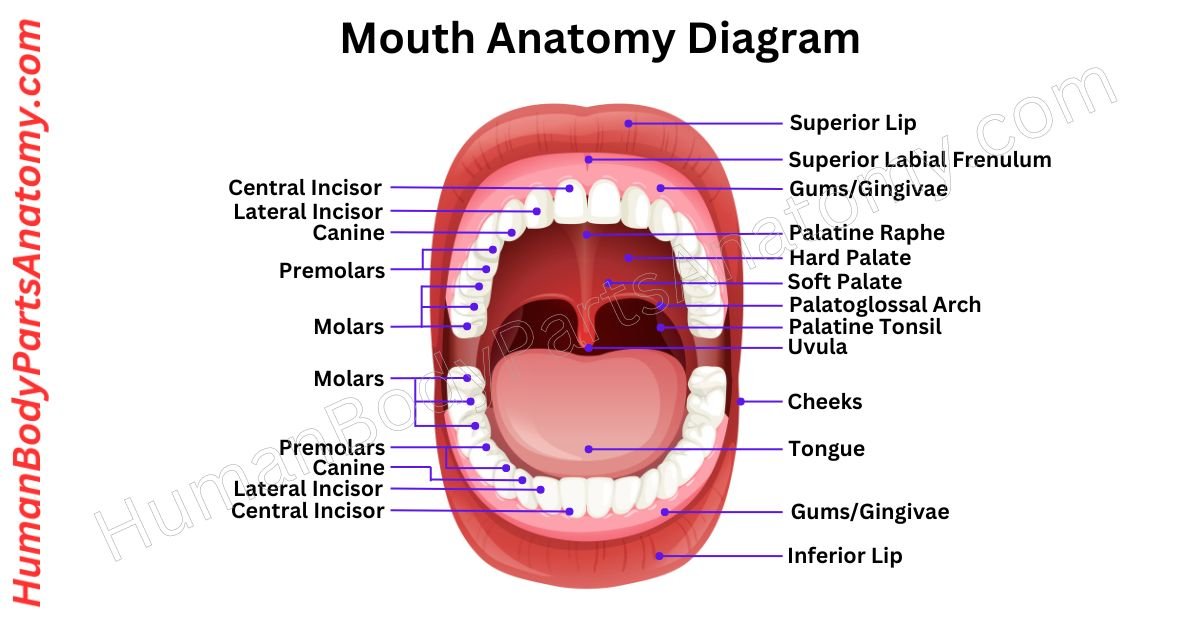
Detailed diagram of human mouth anatomy showing lips, teeth, tongue, gums, palate, uvula, and oral cavity with labeled parts and functions.

Overview of Mouth Anatomy The mouth is the starting point of the digestive system, where food enters, and saliva is produced.[1] Inside the mouth is a special lining called the oral mucosa, which is soft and moist.[1][2] This lining covers the inside of the mouth, including the gums, tongue, and other areas. Besides helping break down food, the mouth is also essential … Read more
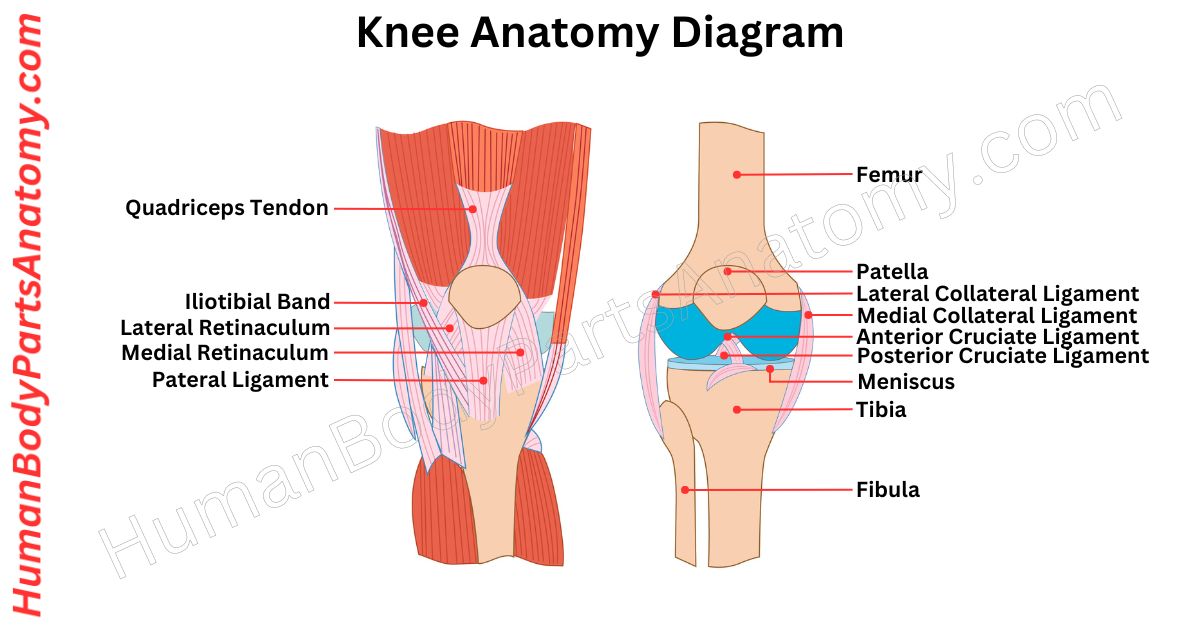
Knee Anatomy: Complete Guide to Parts, Names, Functions & Diagram

Detailed labeled diagram of knee anatomy showing bones, ligaments, cartilage, tendons, and muscles that support joint movement and stability.

Overview of Knee Anatomy Your knees play a vital role in helping you move through everyday life. They’re the largest and most complex joints in your body[1], connecting your thigh (femur) to your lower leg (tibia).[1] The knee is made up of two main joints — the tibiofemoral joint (where your thigh bone meets your … Read more

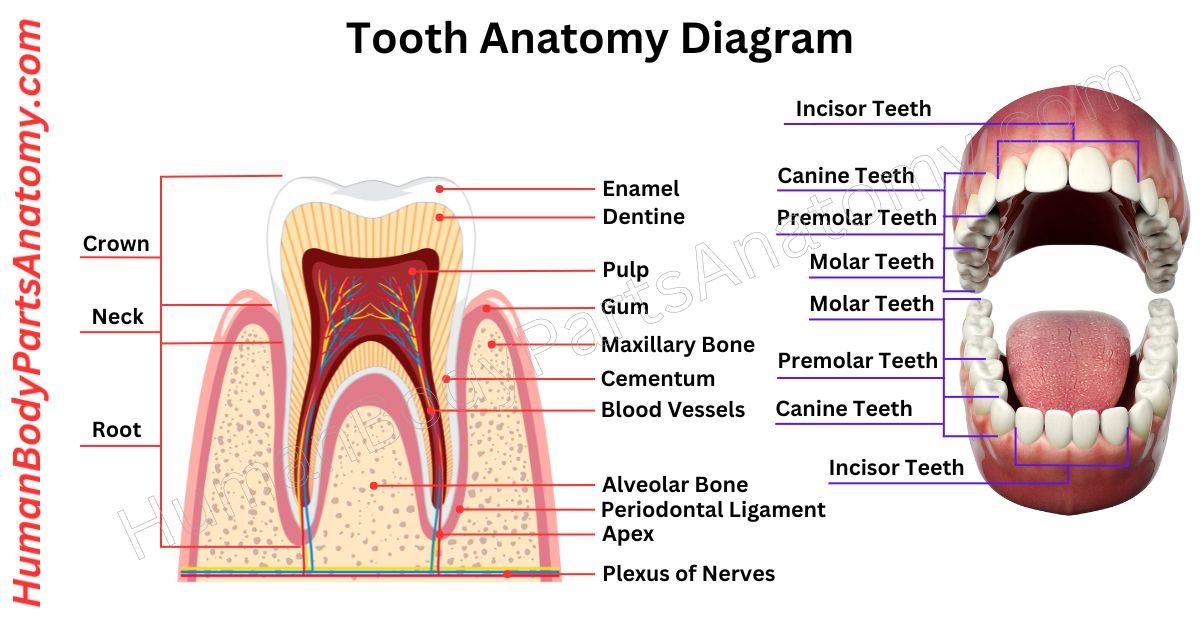
Complete Guide to Tooth Anatomy: Learn Parts, Names & Diagram

Detailed labeled diagram of human tooth anatomy showing crown, root, enamel, dentin, pulp cavity, cementum, periodontal ligament, and surrounding gum structure.

Overview of Tooth Anatomy Teeth are important for breaking down food before we swallow it.[1] In the tooth anatomy, we can find four types of teeth, each with a different job.[2] Incisors cut food, canines tear it, and molars and premolars crush it.[2] Most people have 32 teeth,[3] but that can vary. The outside layer, … Read more

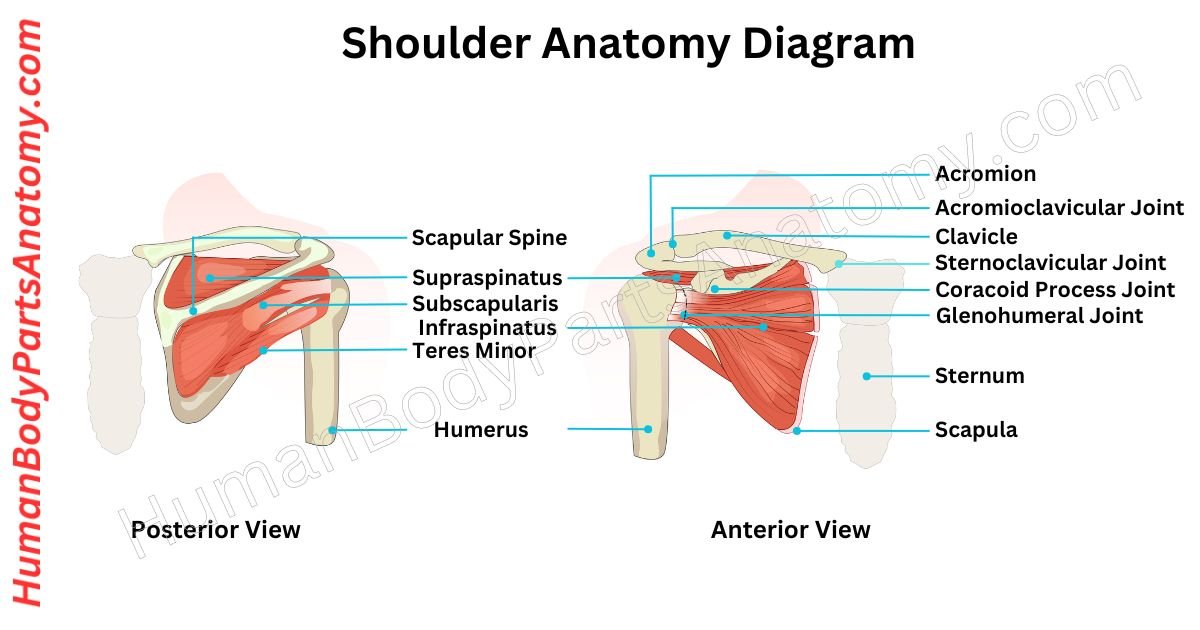
Shoulder Anatomy: Ultimate Guide to Parts, Names, Functions & Diagram

Detailed diagram of human shoulder anatomy showing bones (clavicle, scapula, humerus), muscles (deltoid, rotator cuff), joints, and ligaments with labeled parts and functions.

Overview of Shoulder Anatomy The human shoulder anatomy is composed of three bones: the clavicle (collarbone), scapula (shoulder blade), and humerus (upper arm bone).[1][2] These bones are connected by joints, with the primary articulation being the glenohumeral joint, commonly referred to as the shoulder joint.[2] Additional joints, including the acromioclavicular (AC) joint, the sternoclavicular (SC) … Read more